Yicheng New Materials Co., Ltd. is a Flexible Stone Wall Cladding, Flexible Clay Cladding Factory based in Haining, Jiaxing, Zhejiang Province. Since 1998 we have manufactured interior and decorative building materials in a 30,000 m² facility with 30+ production lines, exporting mainly to Latin America, Africa and Europe to distributors, importers, contractors and project partners.
Our flexible stone range is built around a simple construction reality: thin, bendable mineral-based cladding that follows curved walls, columns, ceilings and shaped structures where rigid stone or ceramic tile cannot be installed without cutting and jointing. The range covers slate, travertine, fabric-textured and mountain rock surfaces, supported by OEM/ODM colour, pattern and packaging development.
What Our Flexible Stone Range Covers
As a Flexible Stone Wall Cladding, Flexible Clay Cladding Factory, we match product configuration to the application, operating limits, interfaces and acceptance criteria defined for each project.
The Flexible Stone category is organised by surface character and project use. Each product type suits a different specification logic rather than a different manufacturing process.
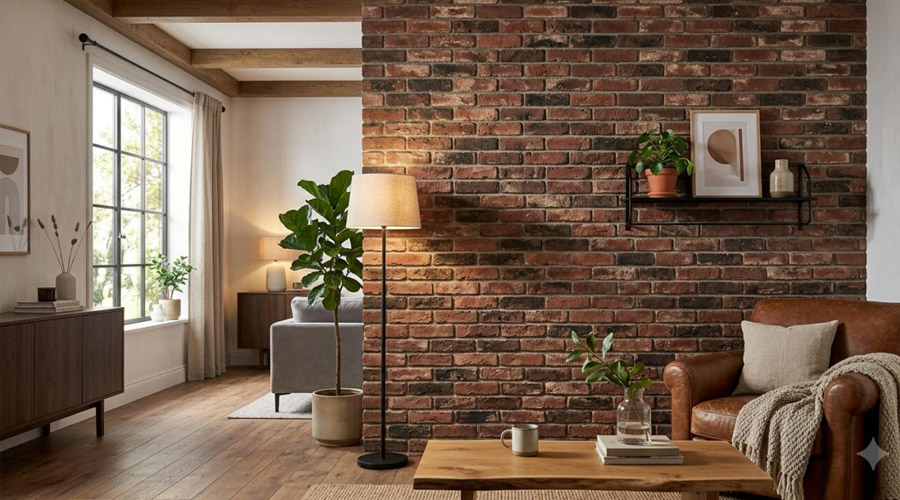
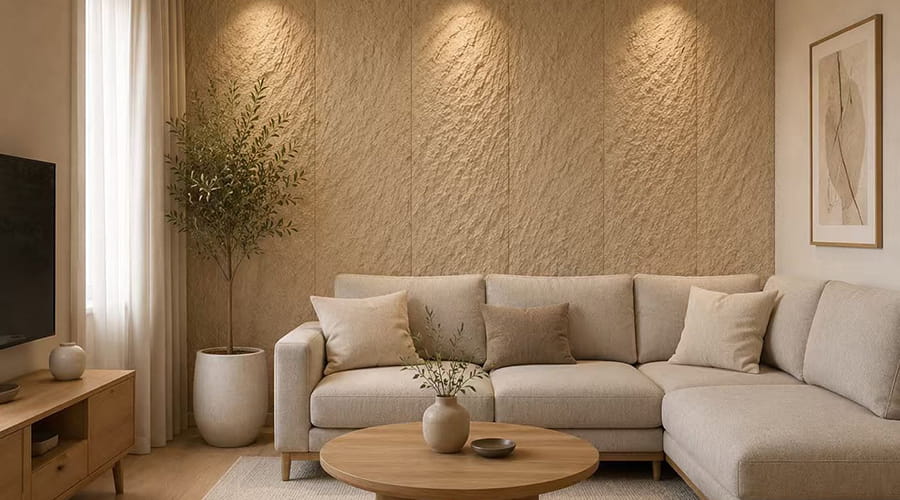
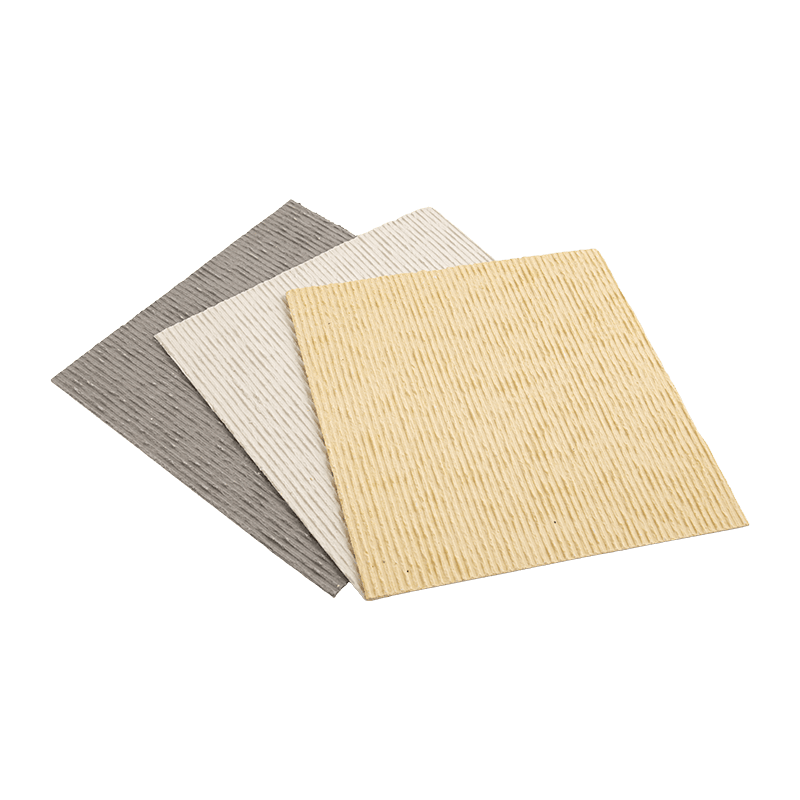
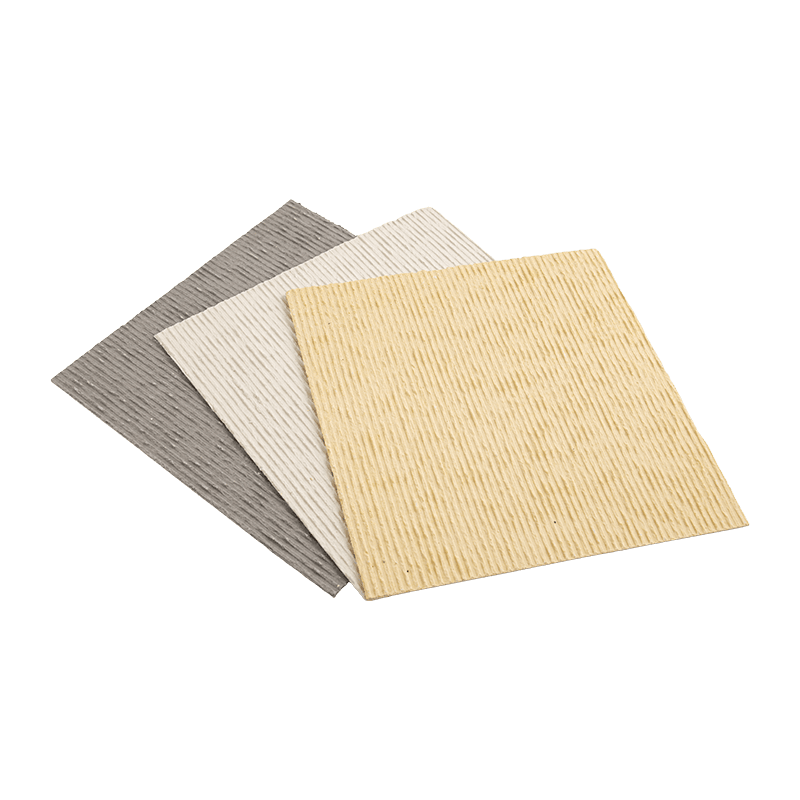
Slate Flexible Clay Cladding
Riven slate texture at 1200×600 mm. Specified for feature walls, entrance columns and exterior facades where a split-stone appearance is required without the weight of solid slate.
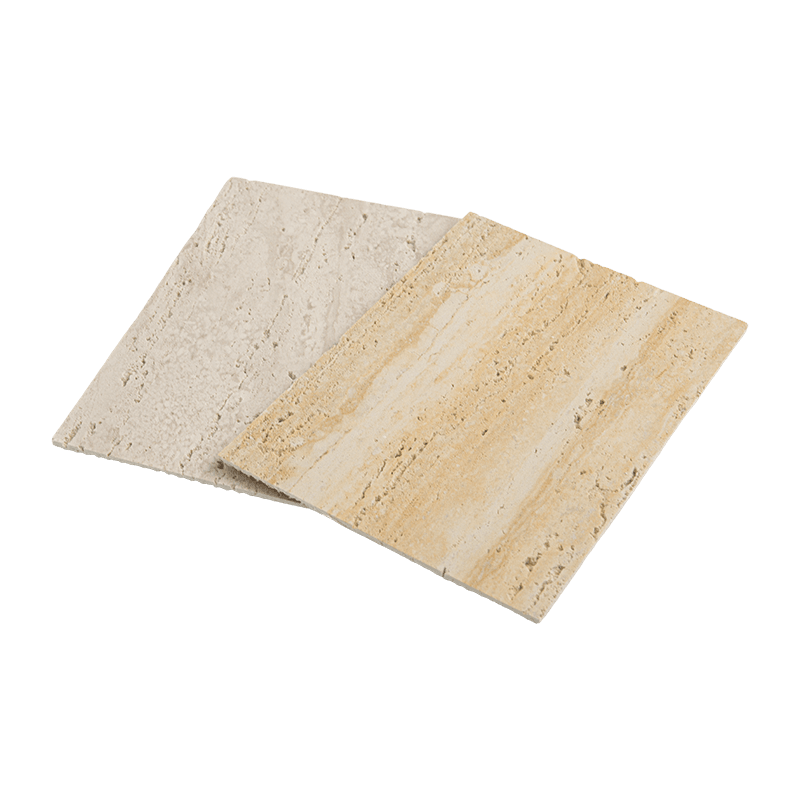
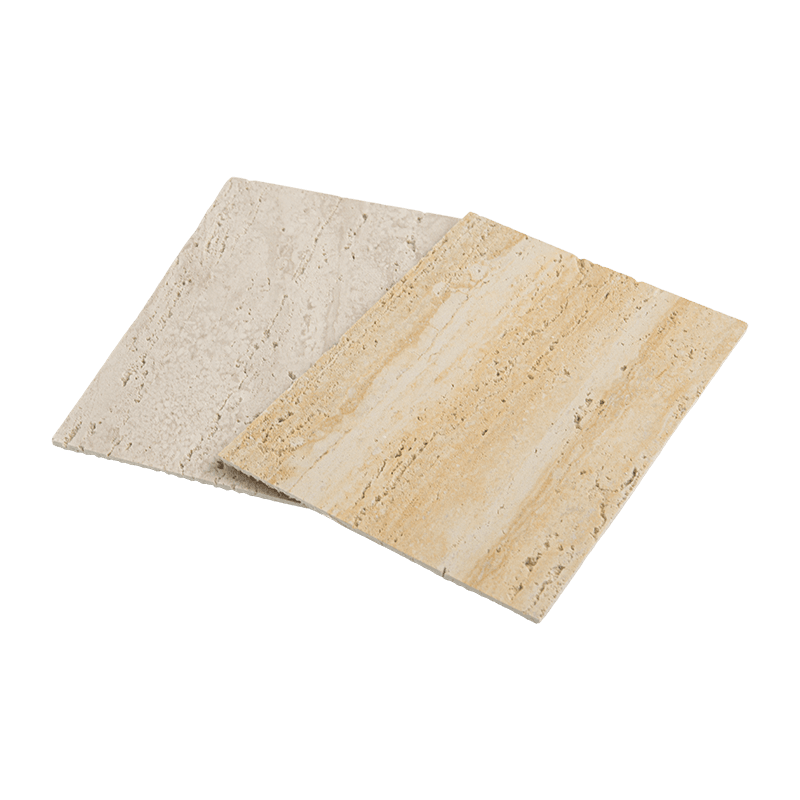
Travertine Flexible Clay Cladding
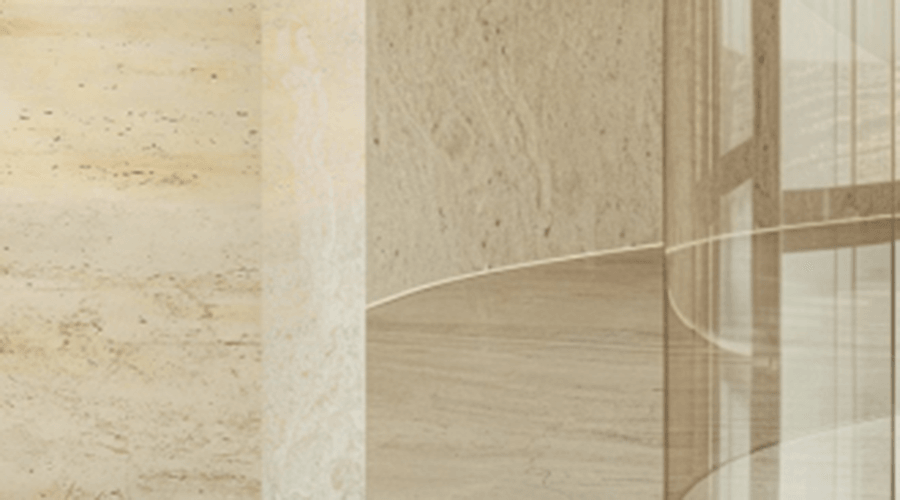
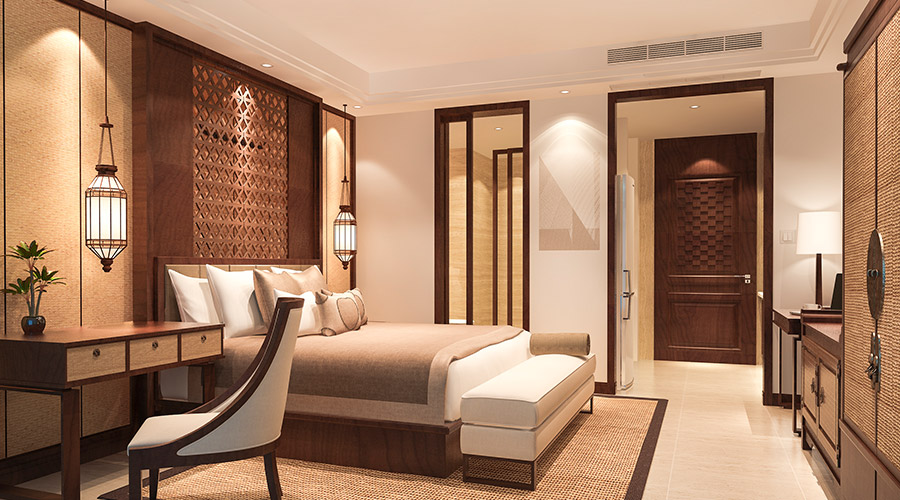
Travertine surface at 1200×600 mm. Used on hotel interiors, lobbies and residential feature walls where a warm, porous stone look is specified.
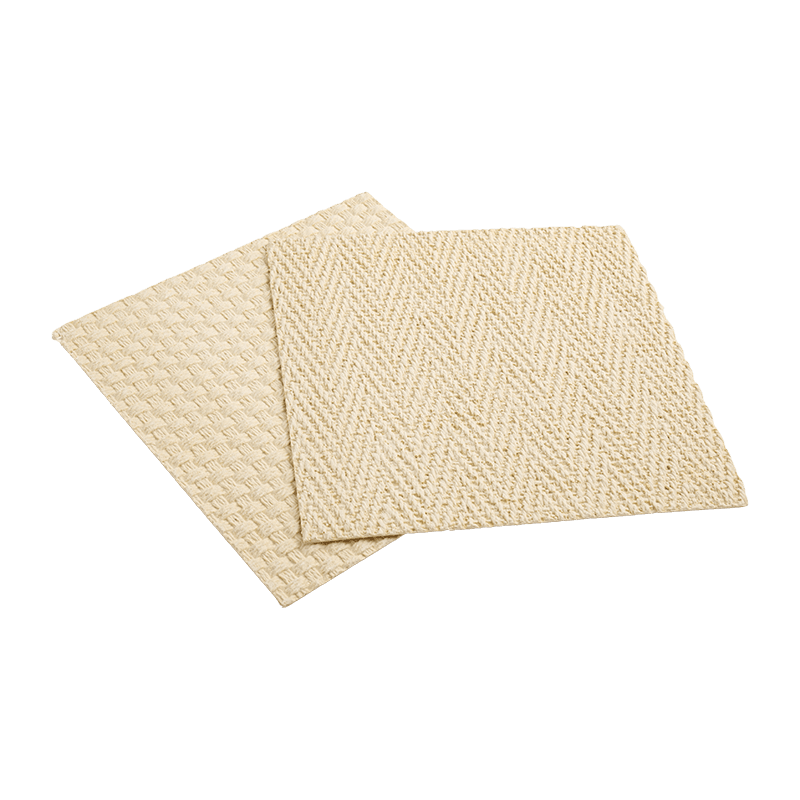
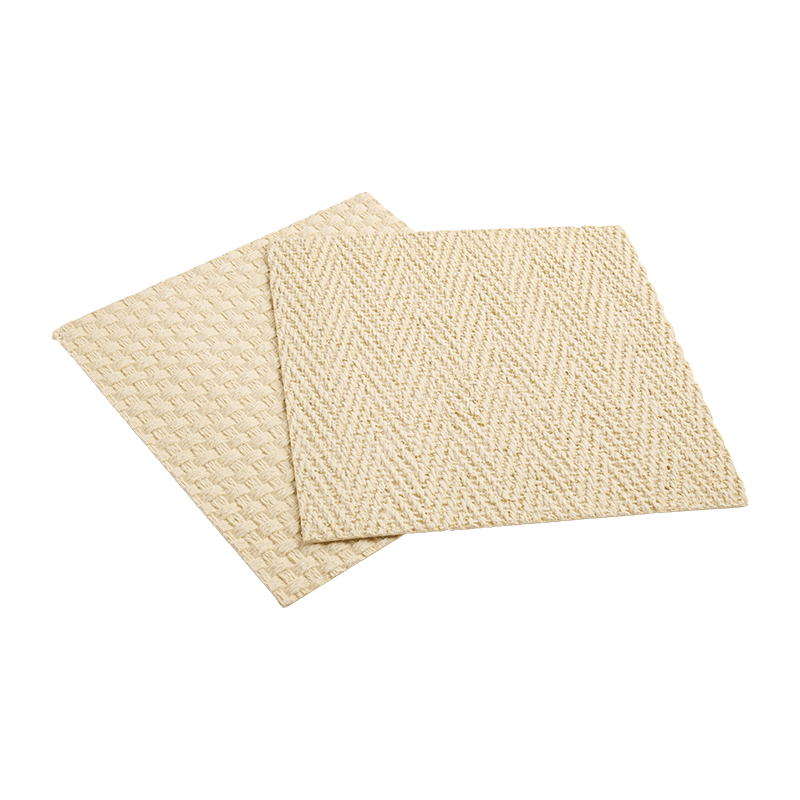
Fabric-Textured Flexible Clay Cladding
A lower-relief surface at 1200×600 mm for interiors where stone texture should read as a quiet background rather than a focal finish.
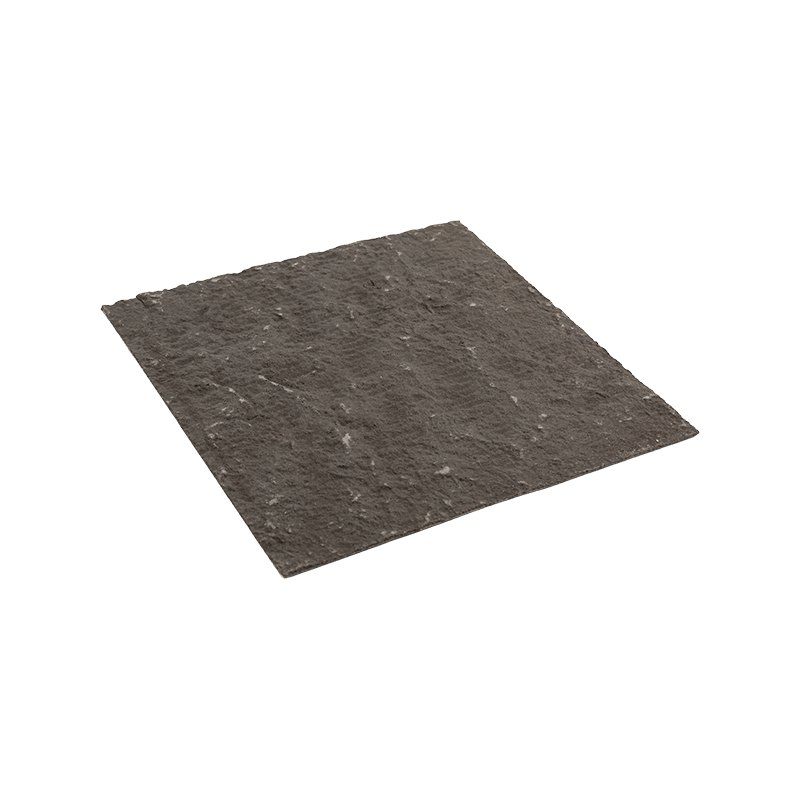
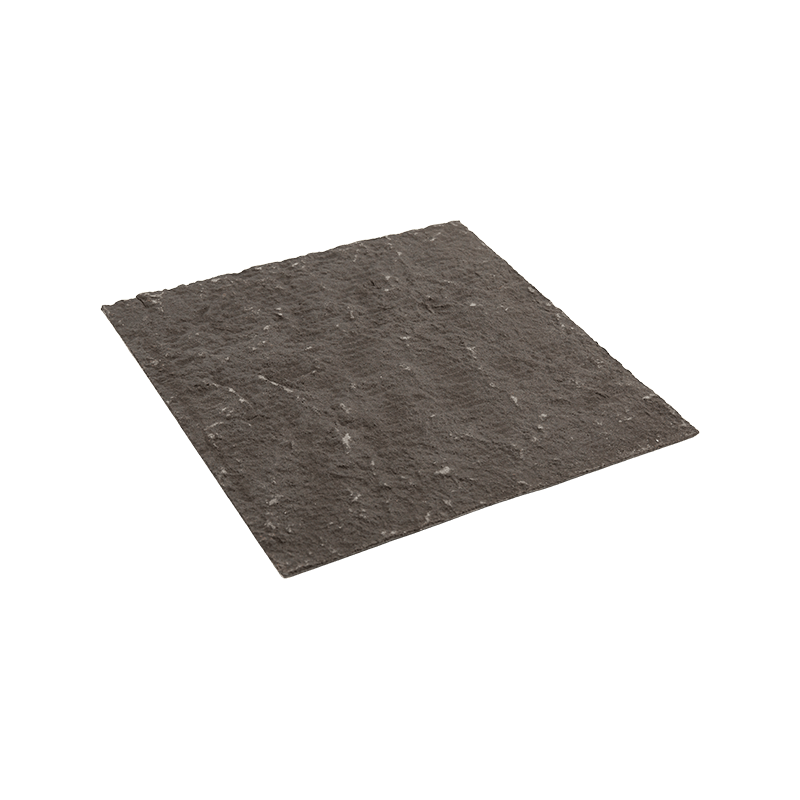
Mountain Rock Flexible Clay Cladding
Deeper rock relief at 1200×600 mm. Fits accent walls, columns and themed spaces where coarse stone shadow lines are part of the design intent.
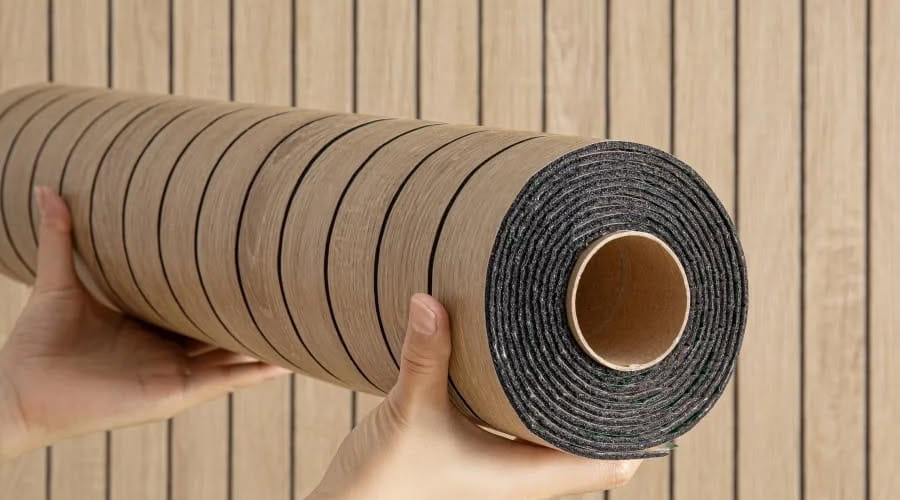
The common construction behind all four is Flexible Clay Cladding, a mineral-powder and polymer sheet manufactured in 1200×600 mm panels. It bends, folds and cuts on site, so curved walls, ceilings, column wraps and irregular structures can be clad with fewer joints than rigid tile.
Product Range and Application Matching
| Product type |
Surface character |
Typical application |
Specification focus |
| Slate Flexible Clay Cladding |
Riven, layered slate |
Exterior facades, feature walls, column bases |
Weather resistance, colour consistency, joint alignment |
| Travertine Flexible Clay Cladding |
Warm travertine with open grain |
Hotel lobbies, retail interiors, living walls |
Surface flatness, batch colour match, cut edges |
| Fabric-Textured Flexible Clay Cladding |
Low-relief, matte texture |
Interiors, corridors, ceilings, background walls |
Evenness of texture, joint pattern, adhesive compatibility |
| Mountain Rock Flexible Clay Cladding |
Coarse rock, deep shadow |
Accent walls, themed environments, entrances |
Relief depth uniformity, impact resistance, edge trimming |
Where a solid or interlocking decorative panel is a better fit — for example behind sanitary areas, ceilings or modular fit-outs — our wider Products range covers PVC, WPC, SPC, PU and accessory systems that can be combined with flexible stone in the same project.
Where Flexible Clay Cladding Fits on Site
The material was developed for the installation conditions rigid tile handles poorly. Because the sheet bends and cuts, the same 1200×600 mm panel can wrap a curved column, follow a barrel ceiling or terminate against an irregular opening with fewer cut joints and less waste.
- Curved and shaped walls, columns, arches and barrel ceilings
- Feature walls and background walls in residential and commercial interiors
- Exterior facades and entrances where reduced weight is an advantage
- Renovation work where existing walls stay in place and new cladding is bonded directly
The construction supports direct bonding, dry hanging or composite build-up with insulation, so the fixing method is selected against the substrate and exposure rather than treated as a single default.
Critical Specifications for a Proposal
Flexible stone is sold by surface and sheet format, but the technical decisions sit in thickness, flexibility, weight and substrate conditions. Our proposal is built on the working point rather than a single catalogue code.
- Format: 1200×600 mm standard sheet; other cut sizes and shaped pieces discussed against the drawing
- Flexibility: bending radius depends on sheet thickness and surface relief, so curved areas need the radius stated in the enquiry
- Surface: slate, travertine, fabric and mountain rock textures; colour and pattern matched to approved samples
- Substrate: cement board, plaster, masonry or insulation board; adhesive choice follows the substrate and whether the application is internal or external
- Exposure: the intended position (interior, exterior, wet area, ceiling) determines the performance criteria we confirm
OEM/ODM, Colour and Packaging
Our customisation work sits alongside the standard range. Partners can develop a surface and colour direction from reference samples or images, and we match patterns and packing to the market the product is sold into.
- Custom colour and surface development against approved samples
- OEM/ODM branding, carton design and marketing materials for distributors
- Sample supply for market evaluation before bulk production
- Export-standard packing for container shipment
Because our annual export volume exceeds 1,500 40HQ containers, packaging and loading are planned around container fill and handling rather than treated as a last step.
Quality Control and Acceptance
Full-process inspection runs from raw materials to finished goods across our production lines. For flexible clay cladding, the key acceptance points are the ones that affect installation and appearance on site.
- Bending test: the sheet must resist bending without breakage
- Surface check: texture depth, colour and pattern consistency against the approved sample
- Dimensions: sheet size and edge squareness checked against the order
- First-batch retention: the first production batch is archived and later batches are compared against it
- Weather resistance: waterproofing, moisture, flame retardancy and anti-aging tested where the application requires it
Inspection reports and photos can be supplied on request, and packing is checked before shipment.
Installation and Maintenance
Installation follows the substrate: direct bonding with a compatible adhesive on sound masonry or plaster, dry hanging on framed facades, or a composite build-up with insulation. We help confirm the fixing method for the project rather than leave it to site improvisation.
Maintenance is limited to cleaning the surface with a damp cloth or soft brush and inspecting joints after installation. Where a panel is damaged, the cut-to-size format allows local replacement without dismantling the surrounding wall.
Information We Use to Configure Your Solution
A reliable quotation for flexible stone wall cladding starts from the project conditions. These are the inputs we use to prepare the configuration, the sample plan and the quotation.
| Project input |
What it determines |
| Surface texture and colour reference |
Which product type fits and whether a custom colour is developed |
| Area, sheet quantity and waste allowance |
Production volume and packing plan |
| Substrate and fixing method |
Adhesive direction, edge treatment and installation sequence |
| Curved or shaped geometry |
Sheet thickness and bending requirement |
| Interior, exterior or wet exposure |
Performance tests and finishing specification |
| Brand, packaging and delivery requirements |
OEM/ODM scope and export packing |
Frequently Asked Questions
What is the standard sheet size of your flexible clay cladding?
Our slate, travertine, fabric-textured and mountain rock products are supplied in 1200×600 mm sheets. Other cut sizes, shaped pieces and edge details are discussed against the project drawing.
Can the material be used on curved walls and columns?
Yes. Flexible clay cladding is thin and bendable, so it follows curved walls, columns and barrel ceilings where rigid tile cannot. Share the smallest bending radius and the surface texture so we can confirm the suitable thickness.
How is flexible stone installed on exterior facades?
Exterior work uses direct bonding onto a prepared masonry or plaster substrate, dry hanging on a framed system, or a composite build-up with insulation. The fixing method is confirmed with the substrate and exposure conditions.
Do you offer custom colours and packaging for distributors?
We develop custom colours and surface directions from reference samples or images and support OEM/ODM branding and packaging. The approved sample becomes the production standard for the bulk order.
What quality checks apply before shipment?
Finished flexible clay cladding is checked for bending resistance, surface texture, colour consistency and dimensions. First-batch samples are archived so later batches are compared against them, and inspection reports or photos can be provided on request.
Related Products and Categories
Our portfolio also includes PVC Ceiling for applications with different operating ranges, interfaces or integration requirements.
 Email: boslonmaterials@gmail.com
 Telephone: (+86)15988398565

 en
 русский
 Français
 Português
 عربى
 Español
 REQUEST A QUOTE
 SEARCH