Email: 87871678@qq.com
 Telephone: (+86)15988398565
 en
en  REQUEST A QUOTE
  SEARCH
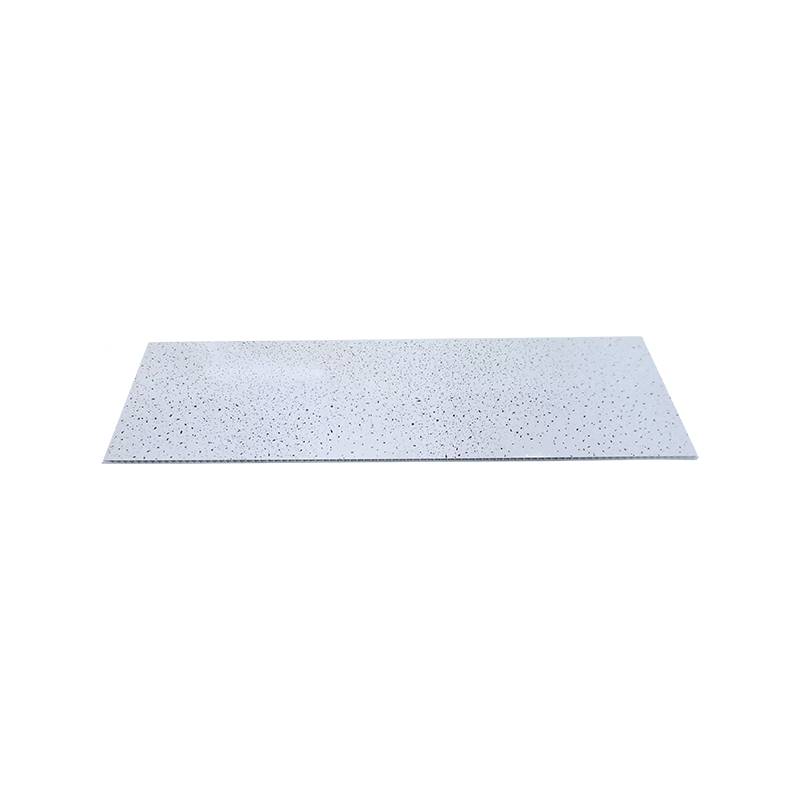
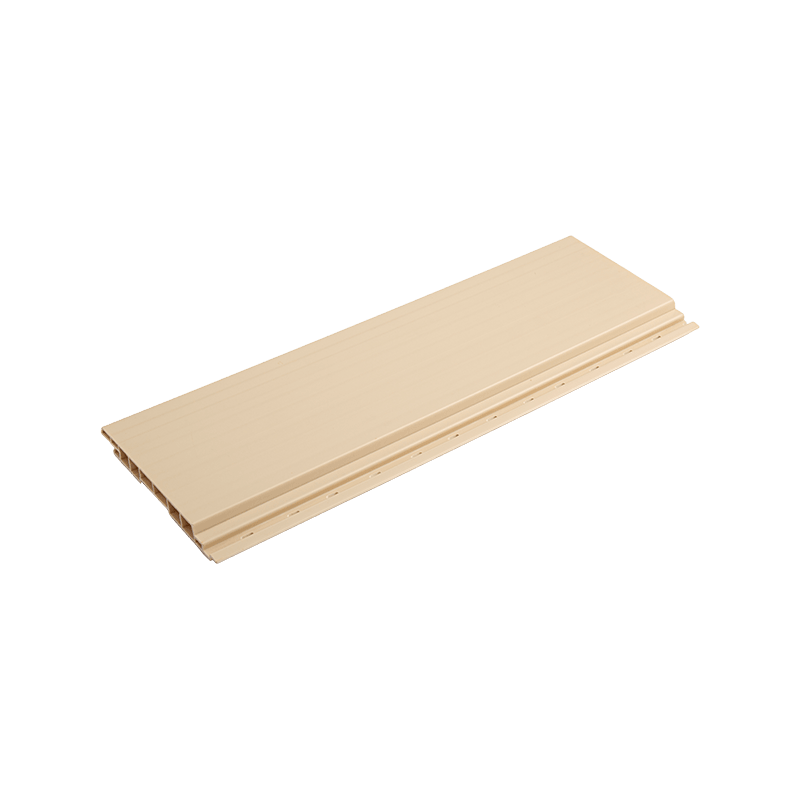
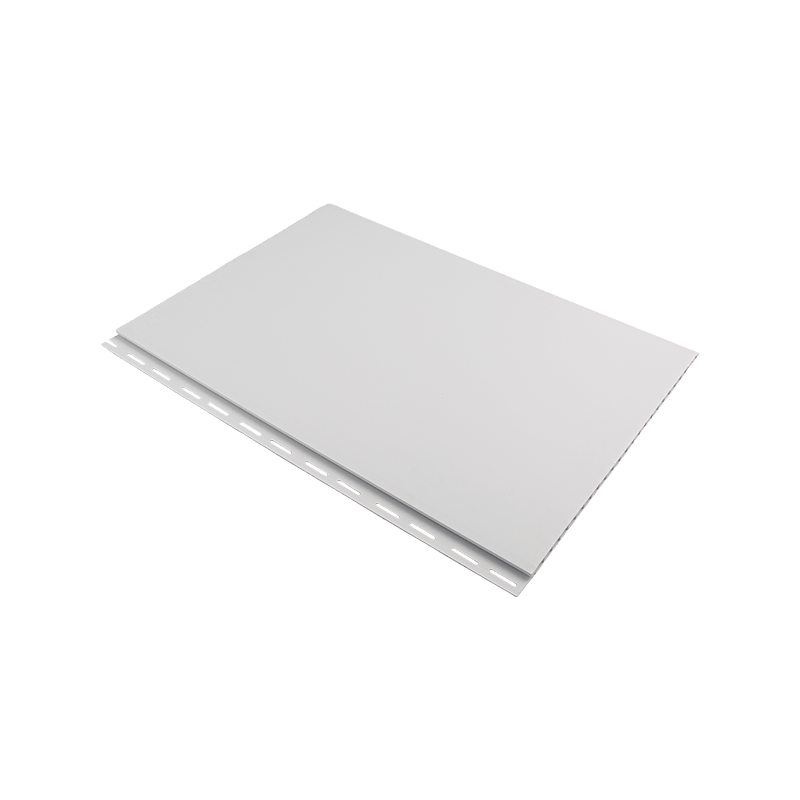
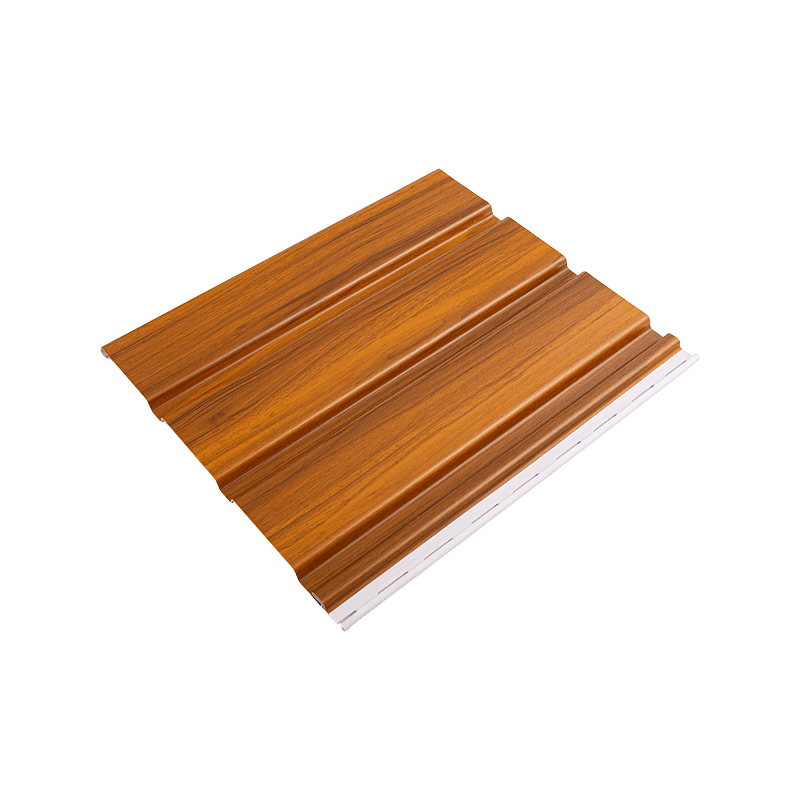
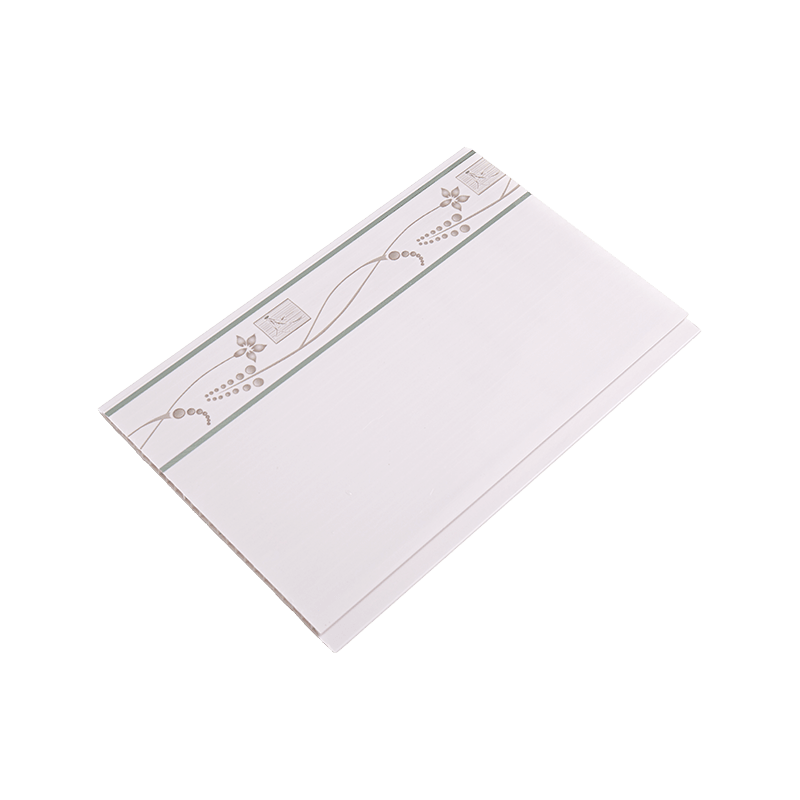
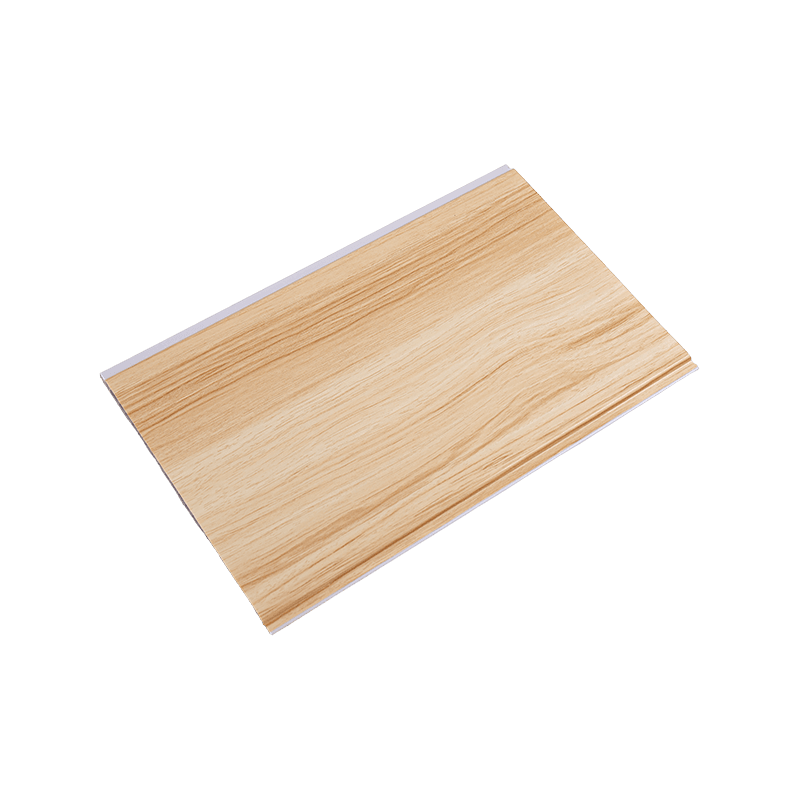
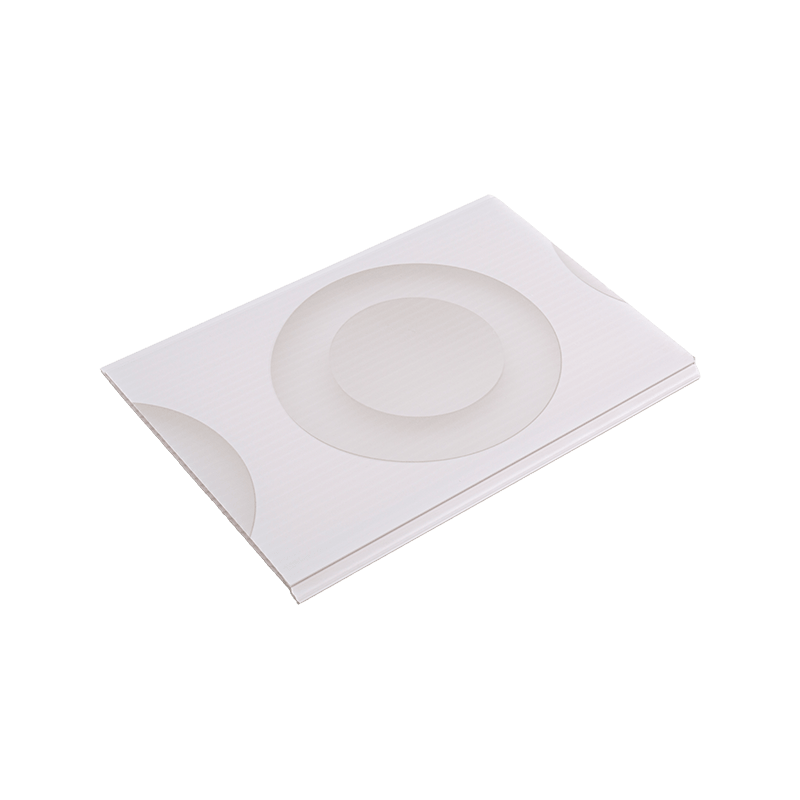
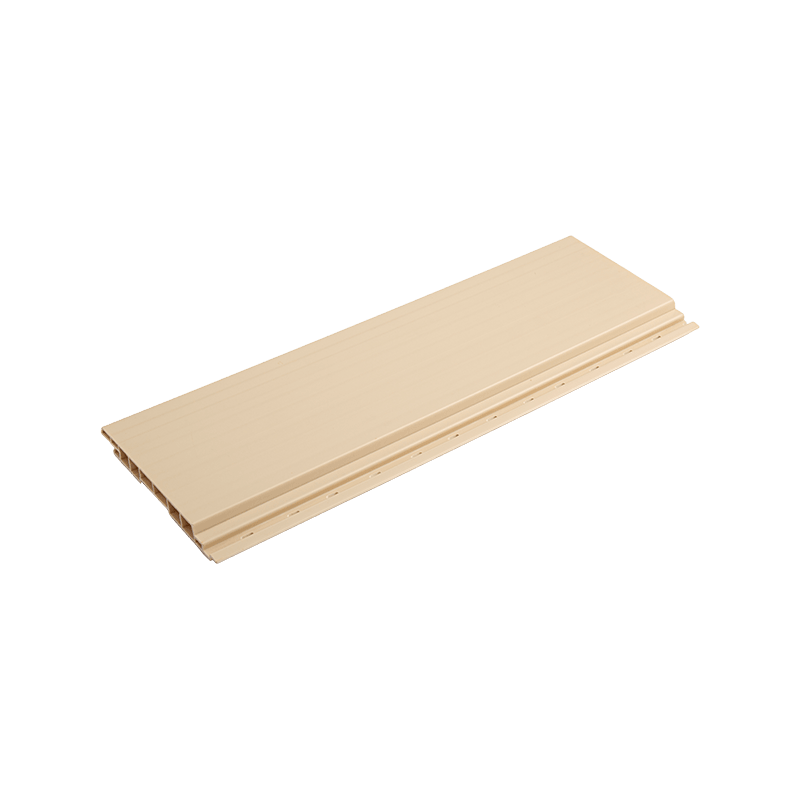
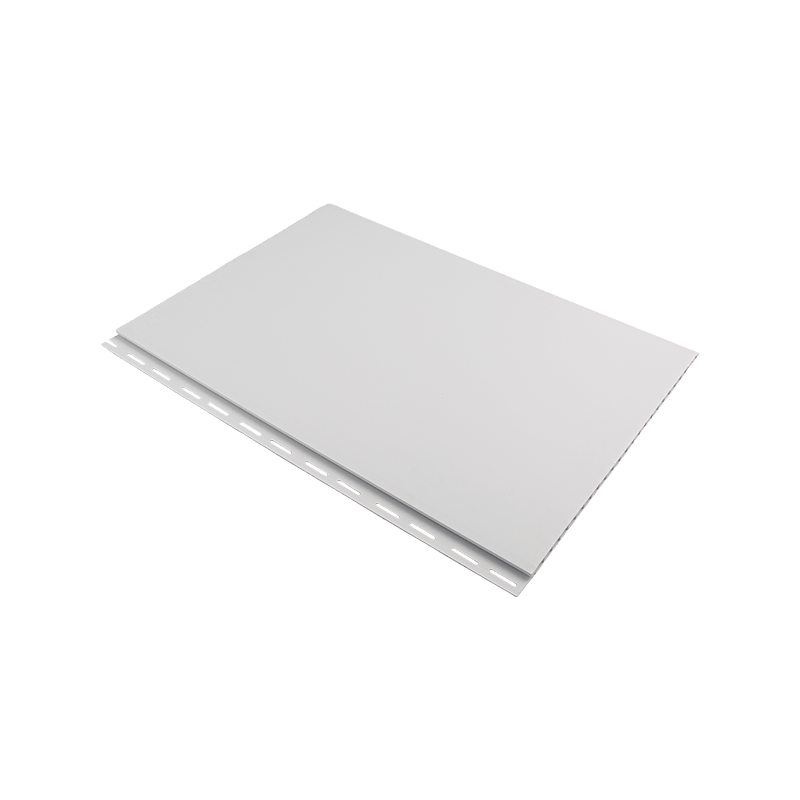
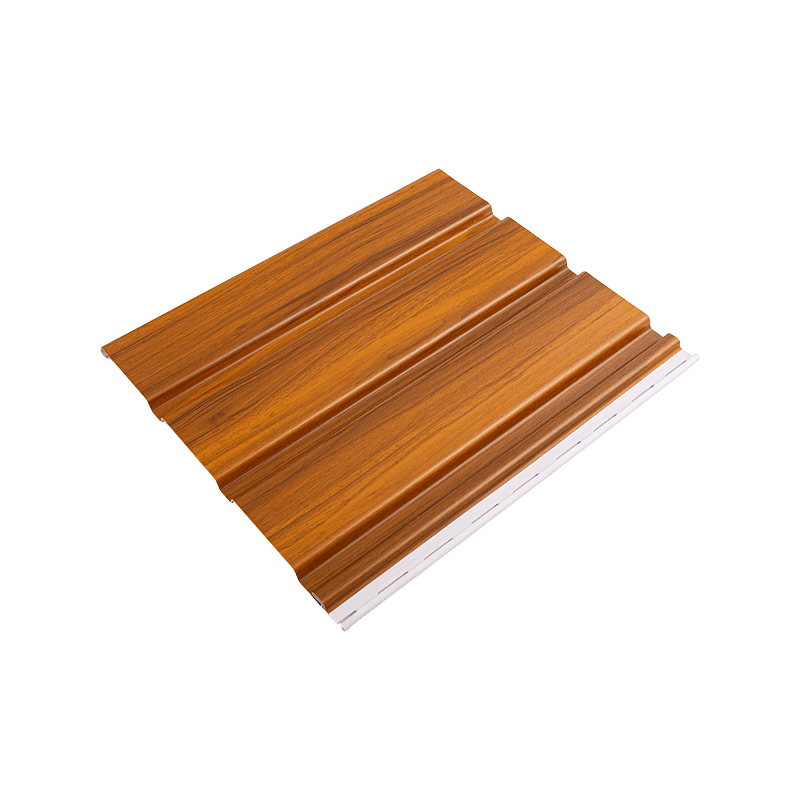
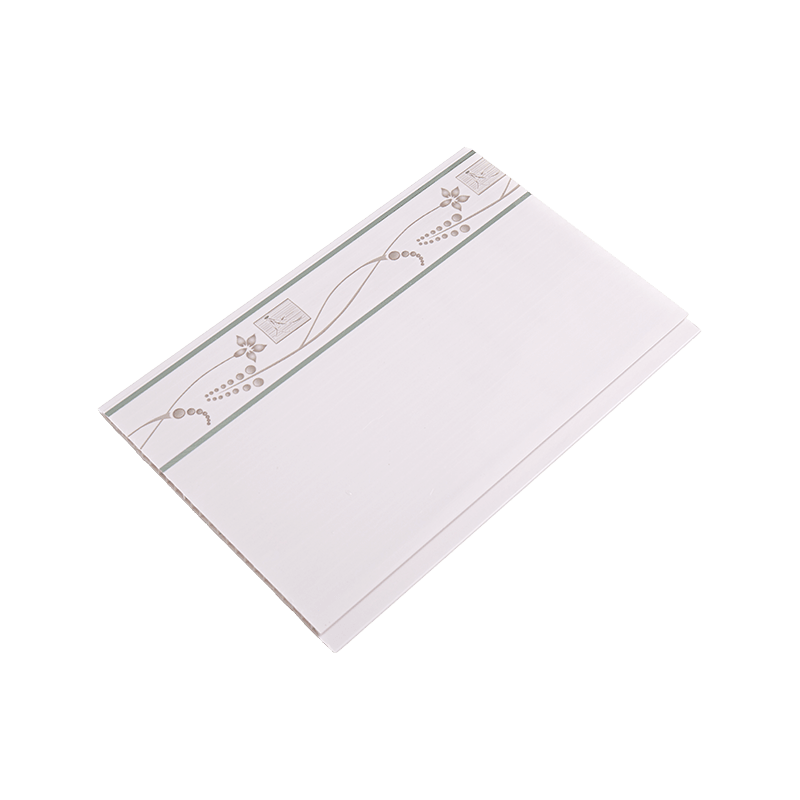
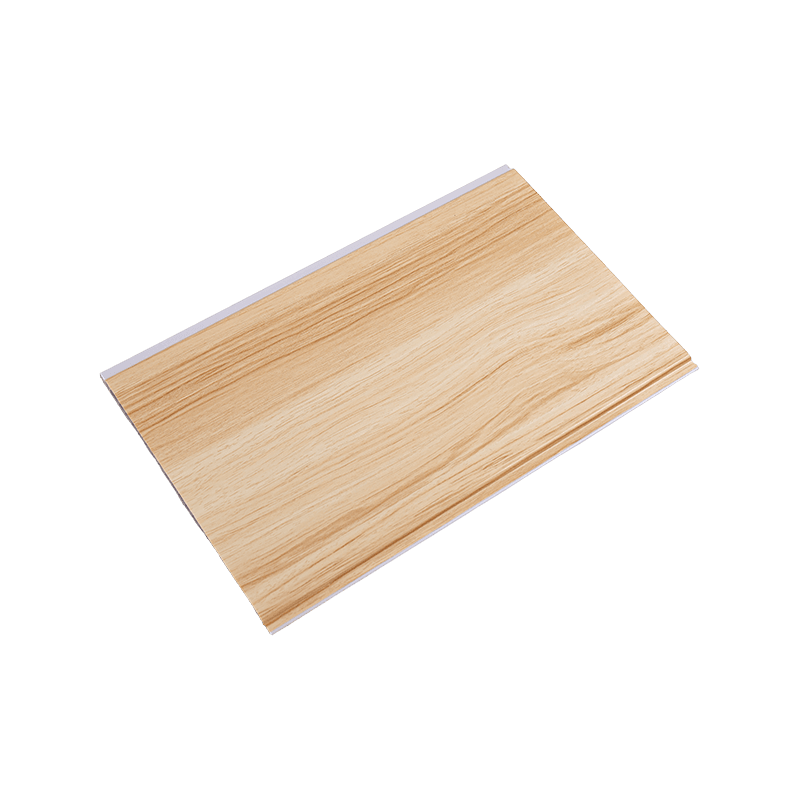
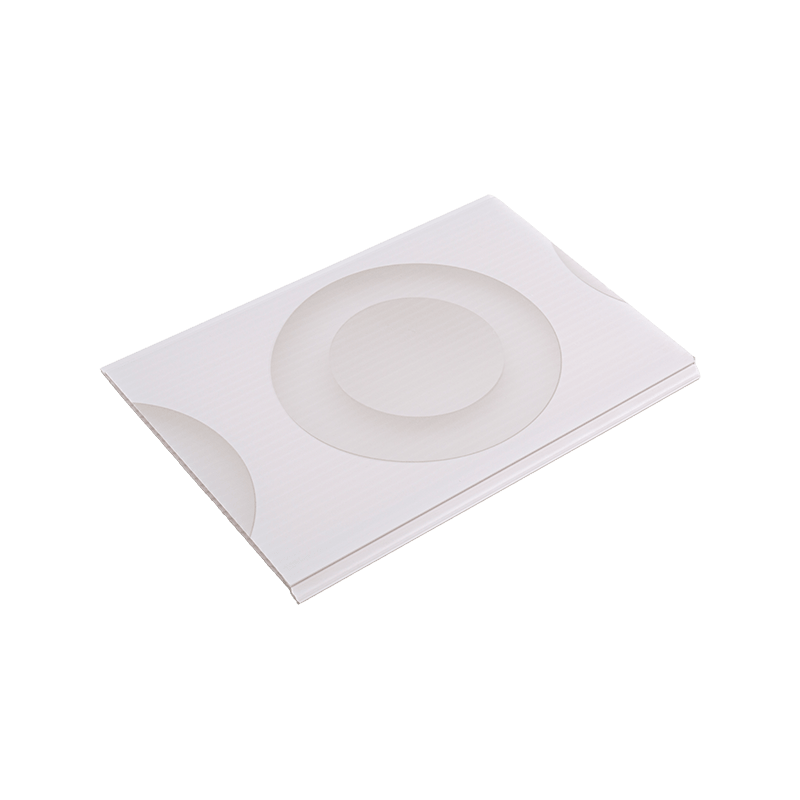
Haining Baoshilong Plastic Industry Co., Ltd. is located in Haining City, Zhejiang Province, specializing in the R&D and manufacturing of interior decorative panels. Our main products include PVC wall panels, PVC ceiling panels, PVC SPC panels, UV panels, PS grid panels, WPC grid panels and wood veneer panels.
The company is equipped with complete fully automatic production lines and supporting facilities, operated by an experienced team with advanced processing equipment. We have established a systematic quality management system to ensure product consistency and reliability.
Our product range includes matte series, high-gloss roller coating series, heat transfer printing series and lamination series. We provide customized services for colors and textures. Our panels feature high strength, corrosion resistance, aging resistance, water and moisture resistance, as well as flame retardant safety.
Adhering to the business philosophy of "Quality First, Integrity-Based", we are committed to providing customers with stable product quality, professional service support and competitive cooperation solutions. The company is actively expanding into overseas markets and looks forward to establishing long-term partnerships with customers around the world to create mutual value. We welcome partners from all sectors to contact and discuss cooperation.