PVC Ceiling Flat Panels
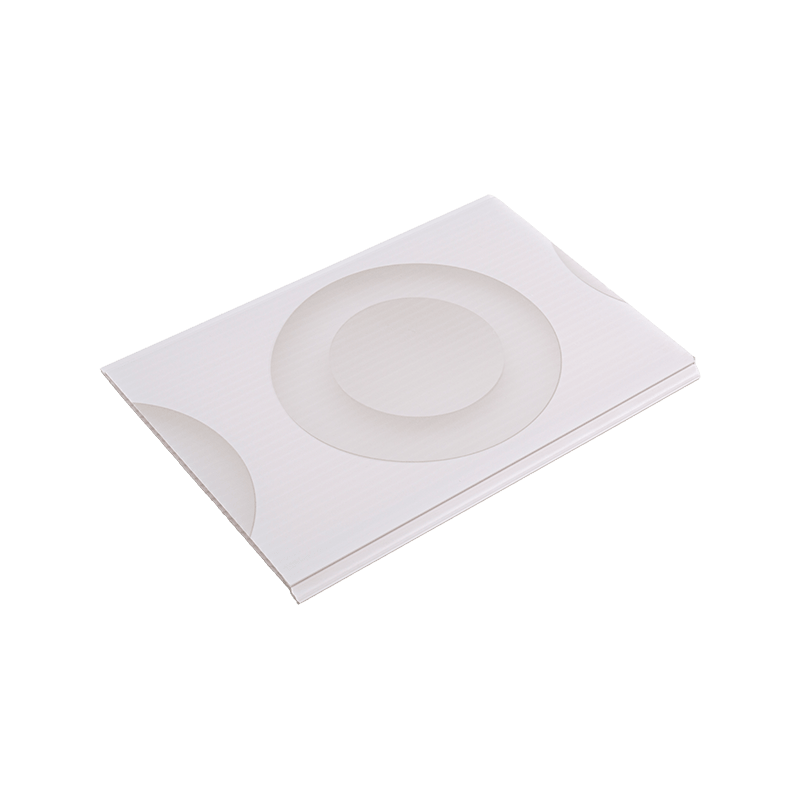
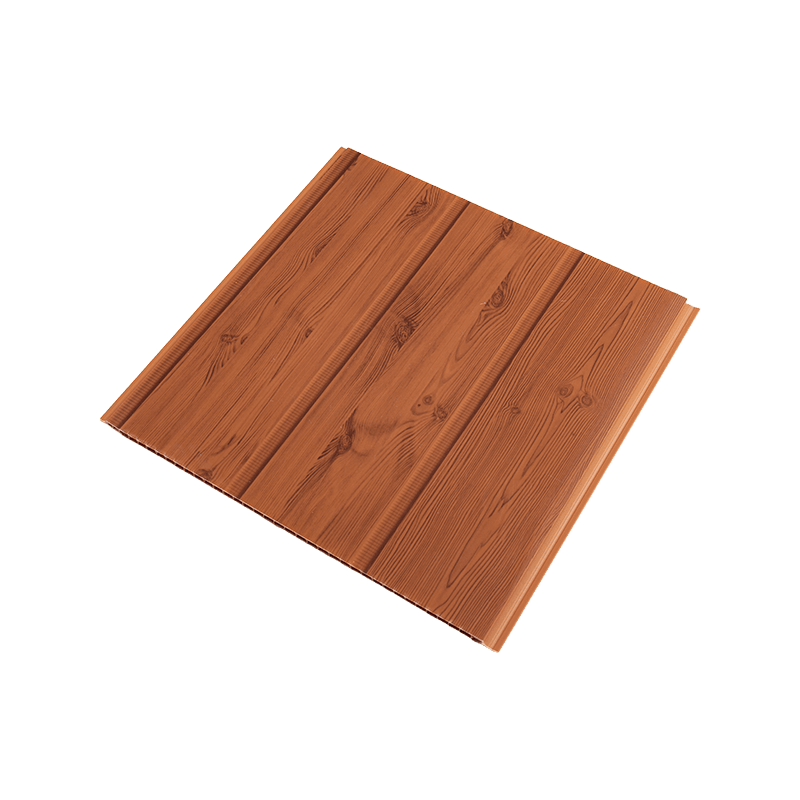
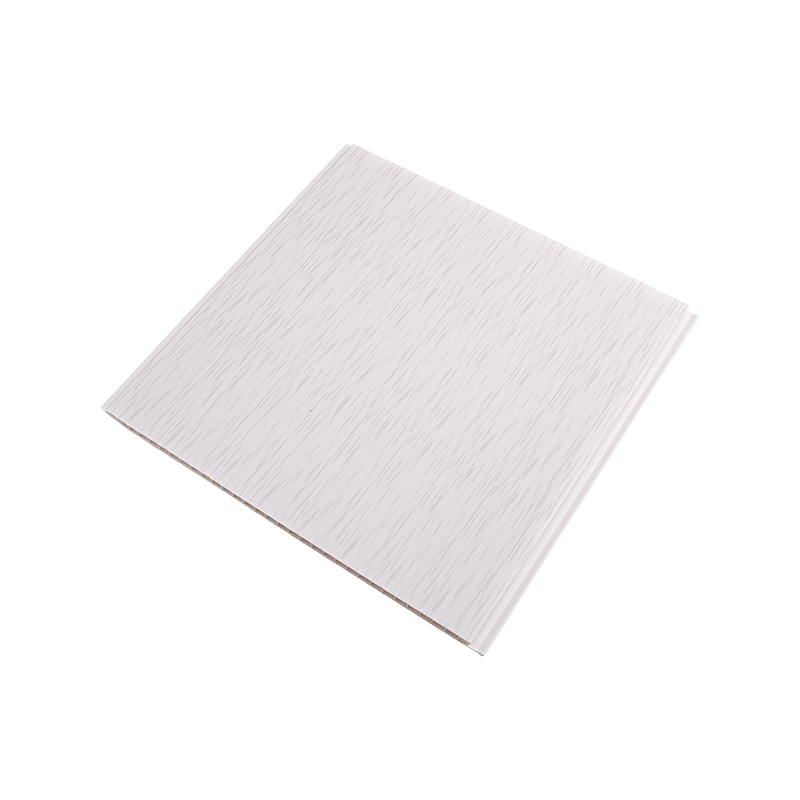
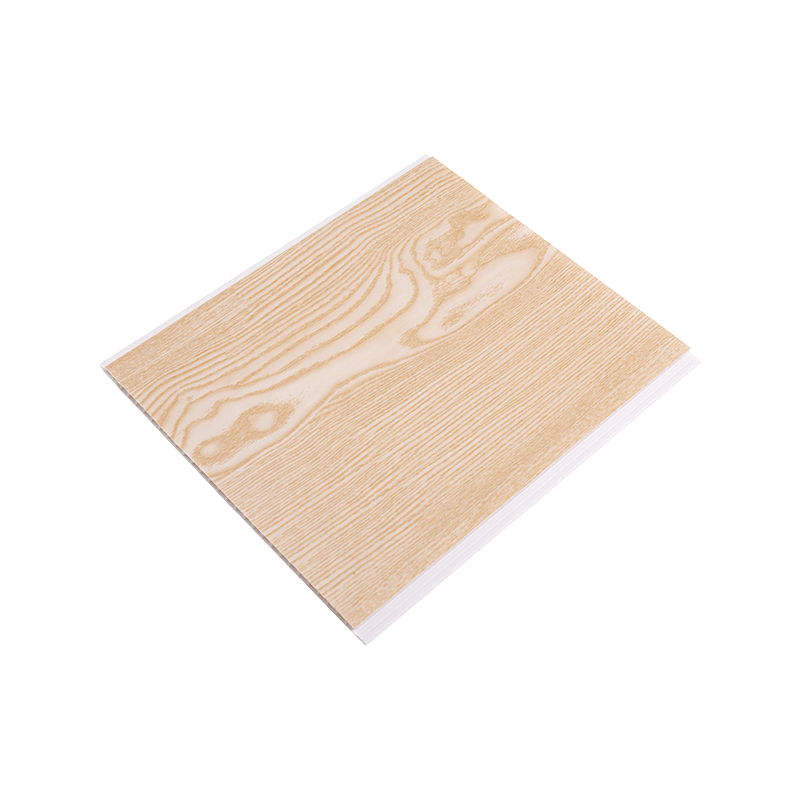
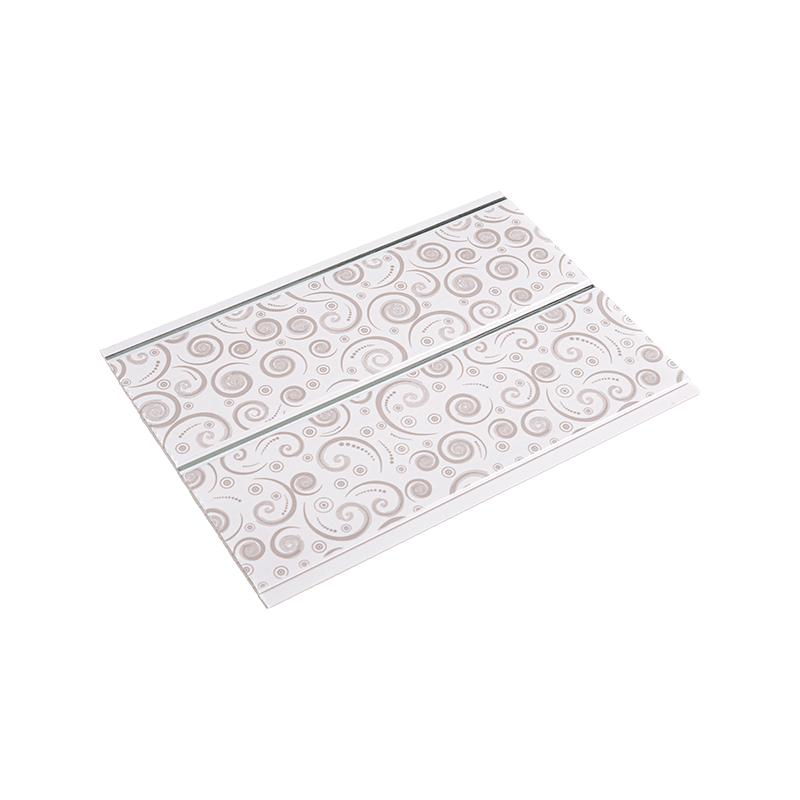
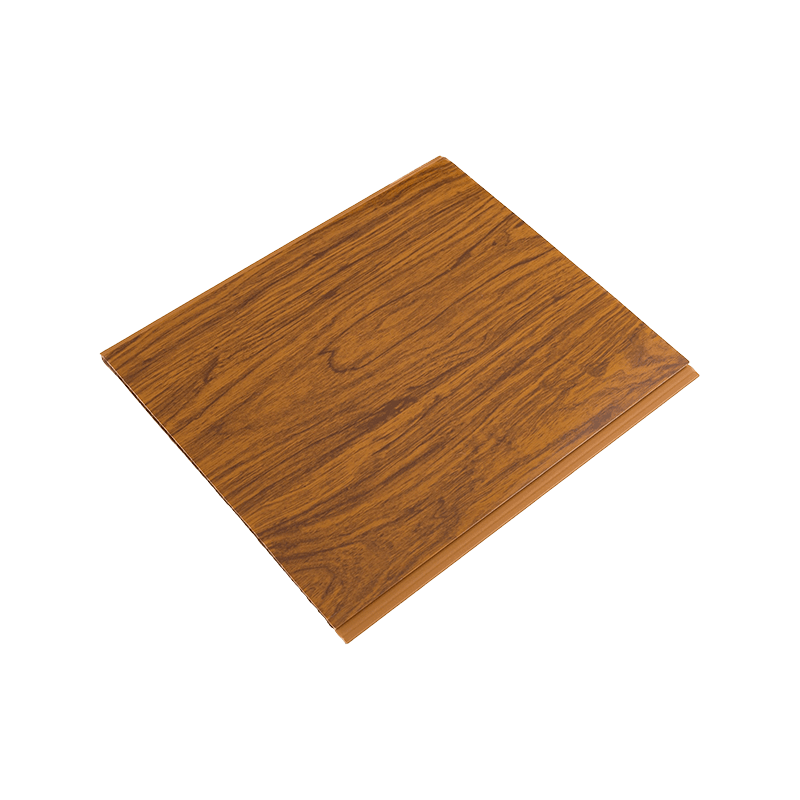
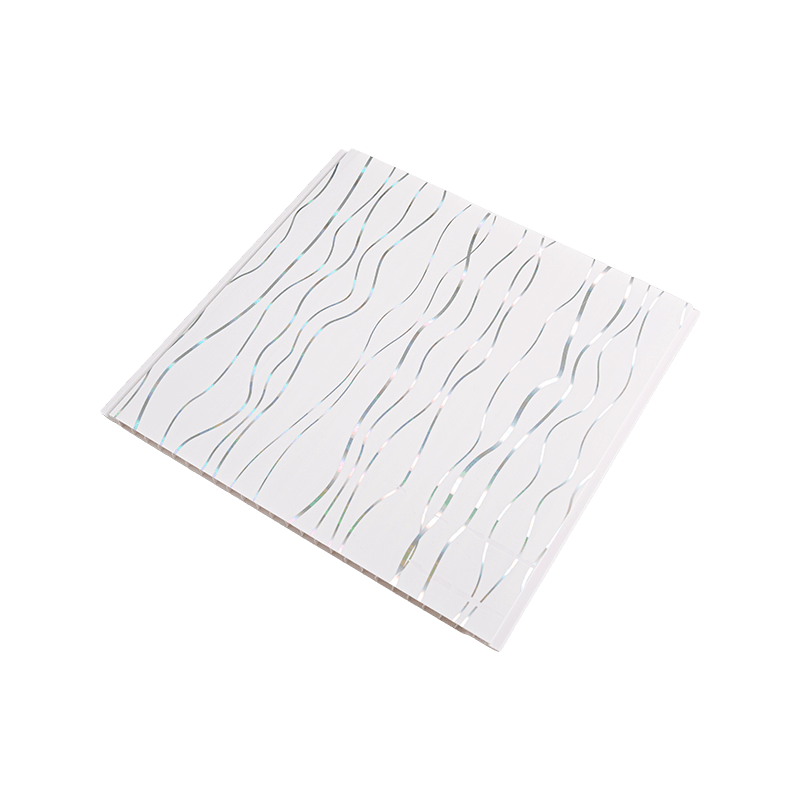
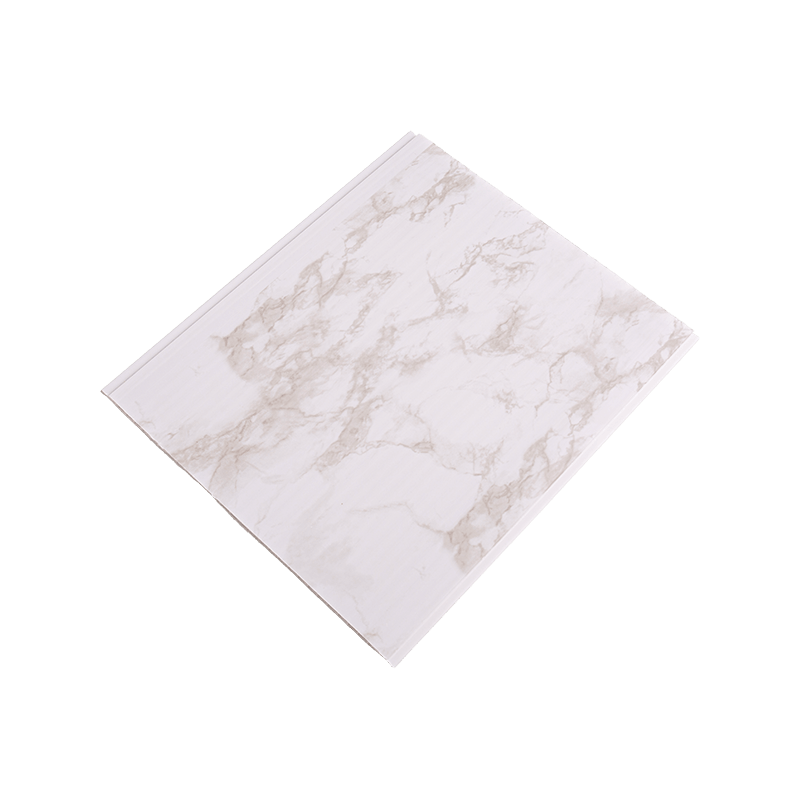
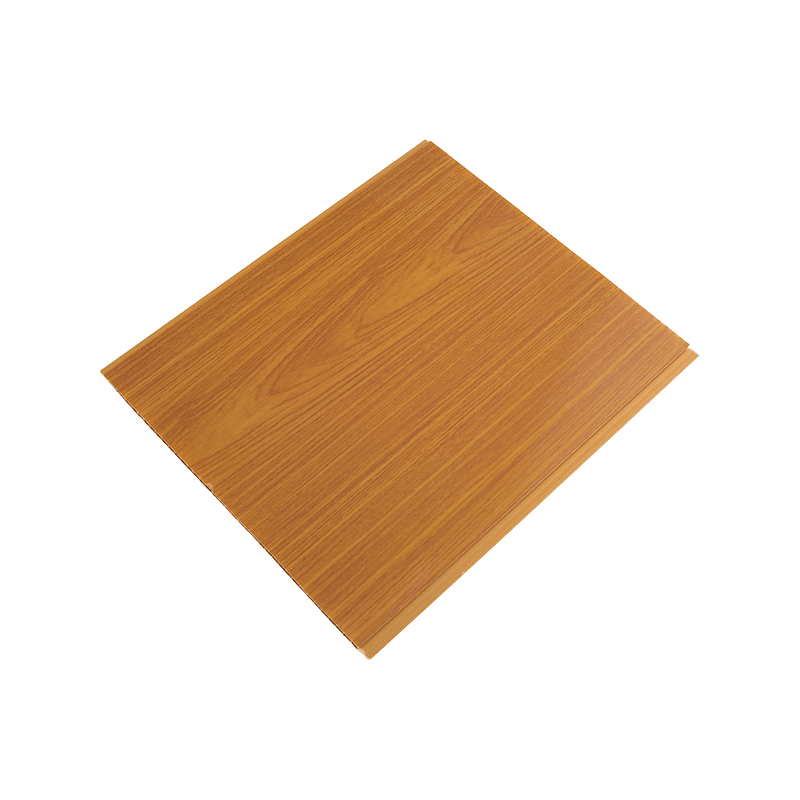
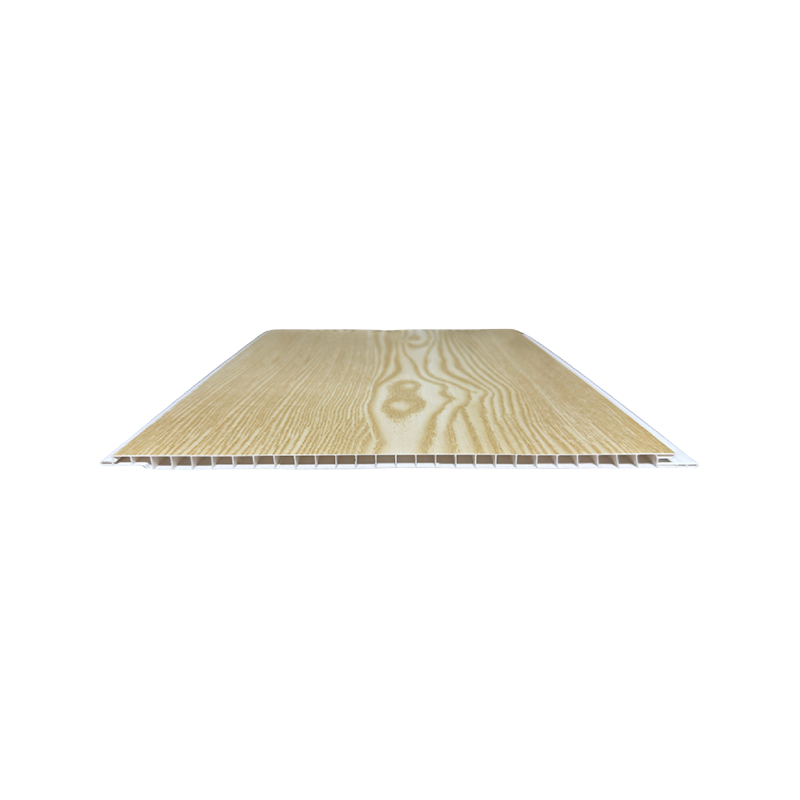
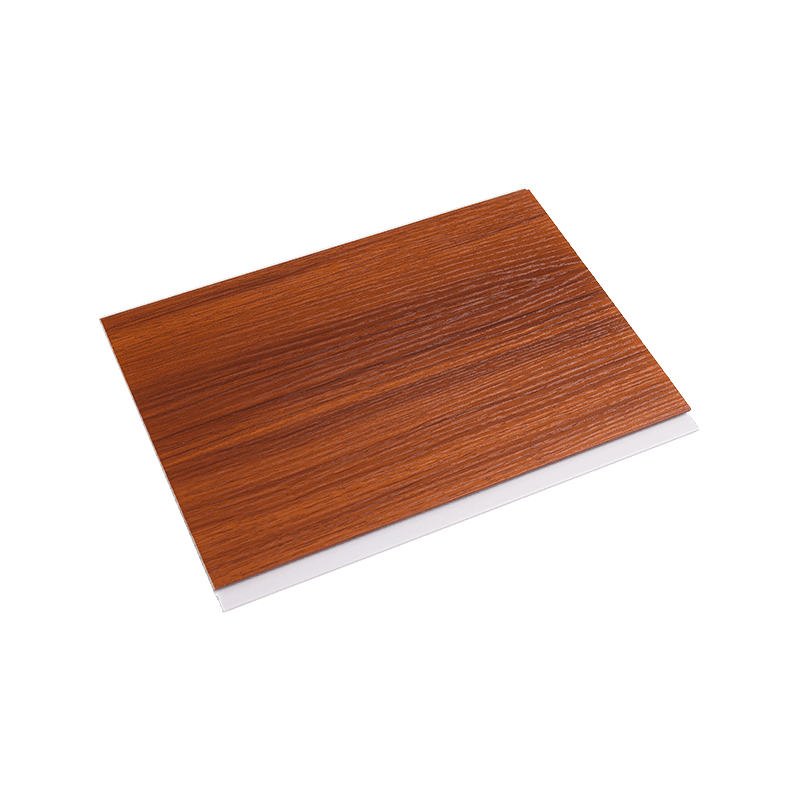
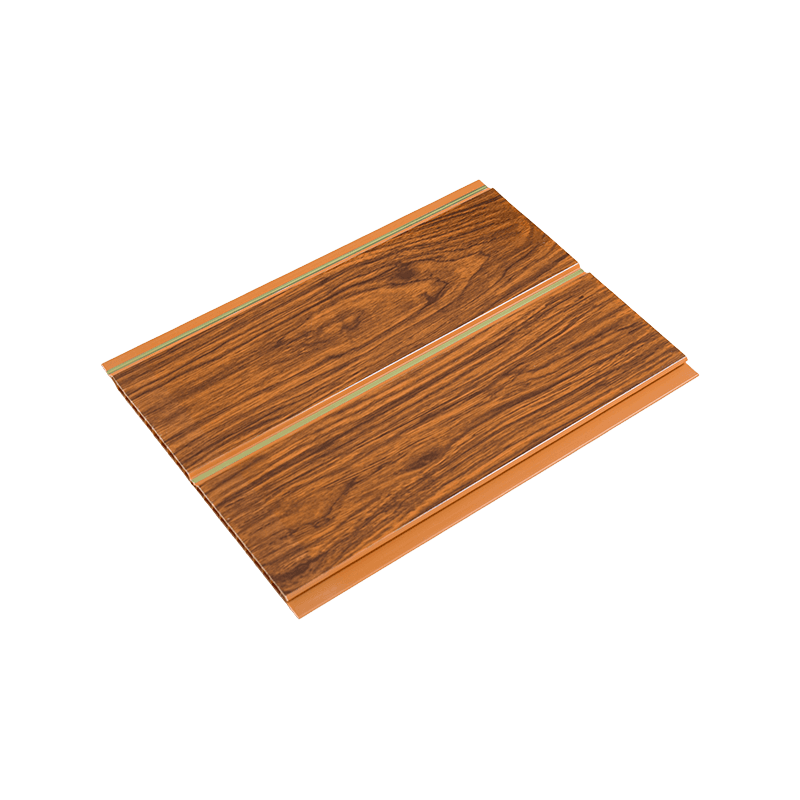
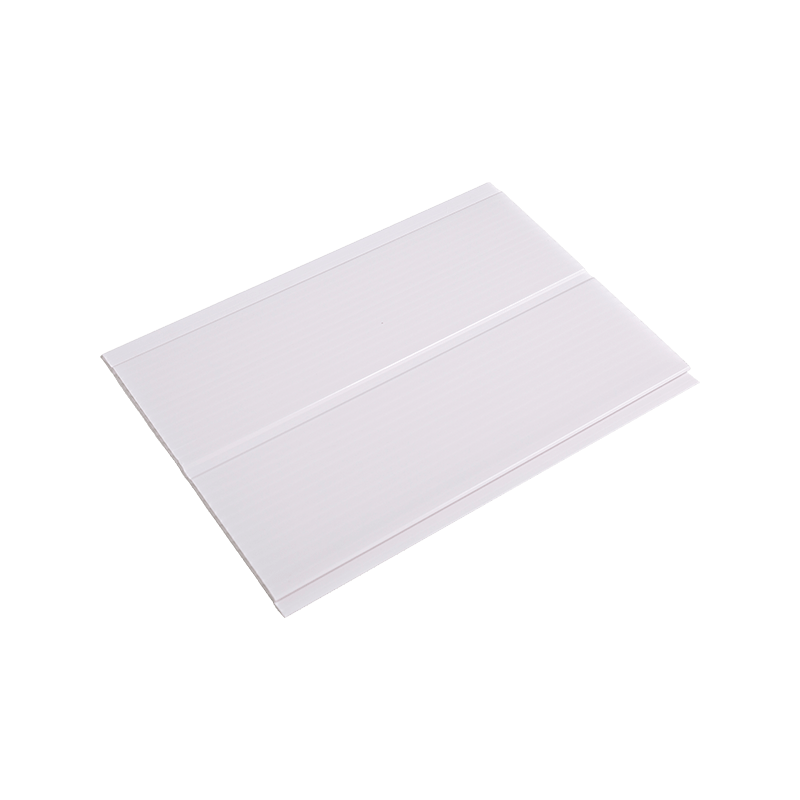
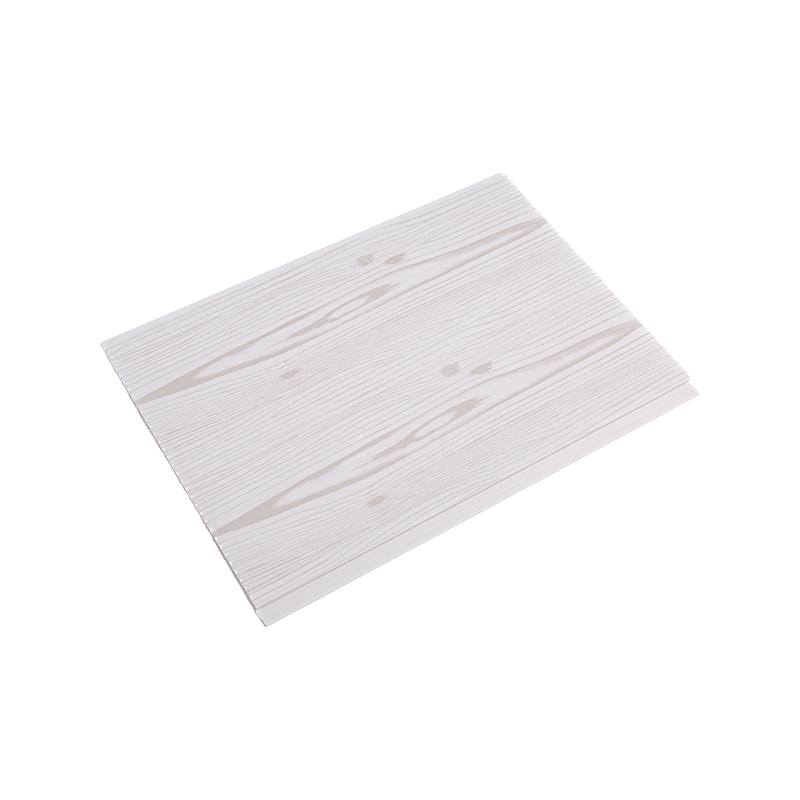
PVC Ceiling Flat Panels are rigid decorative ceiling boards made from polyvinyl chloride (PVC), designed for interior ceiling installation in residential, commercial, and light industrial environments. Their flat surface structure provides a consistent appearance across ceiling areas while covering the underlying ceiling framework, wiring, and other installation components. PVC material offers moisture resistance, making these panels suitable for rooms where conventional ceiling materials may be exposed to humidity or occasional water vapor.
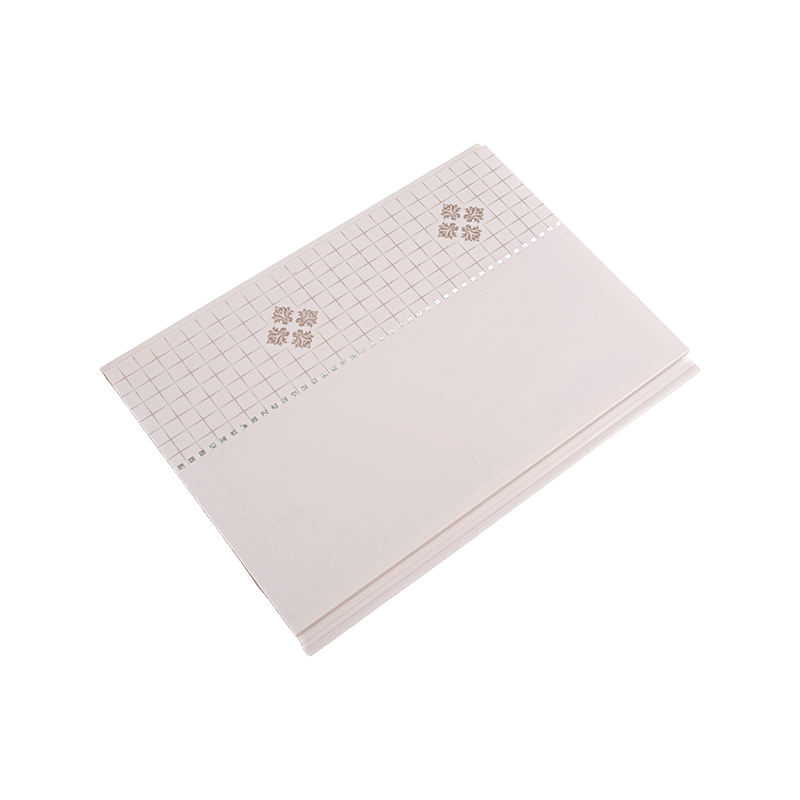
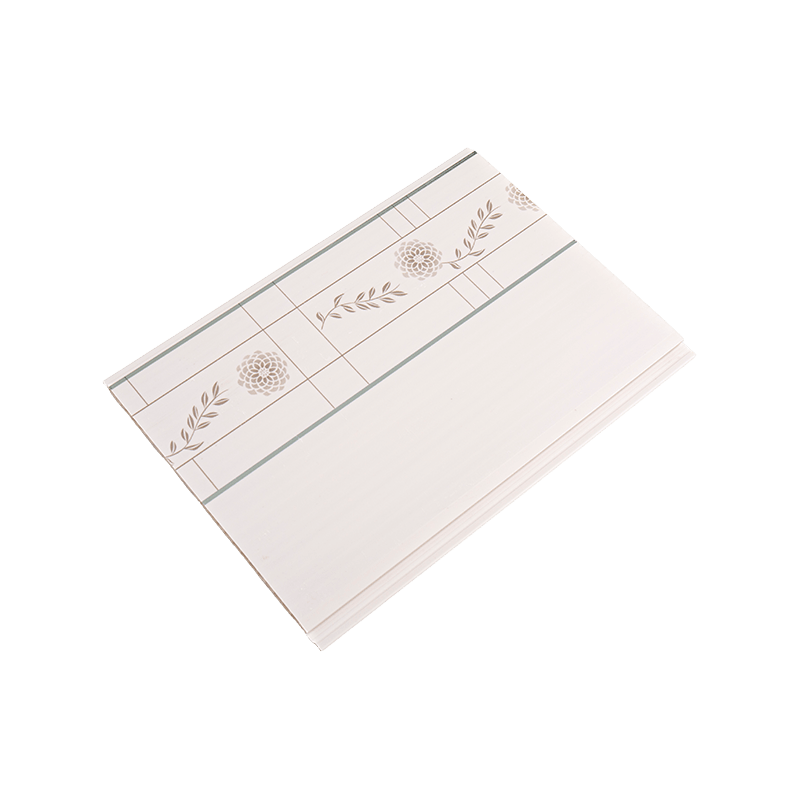
Available in different surface finishes, colors, patterns, thicknesses, and dimensions, flat PVC ceiling panels can be selected according to interior design requirements and installation conditions. They are used in new construction, renovation projects, commercial property development, and interior finishing programs. For importers, building material distributors, contractors, and project buyers, these panels provide a standardized ceiling material for bulk procurement, product distribution, and ongoing project supply. Specifications and surface designs can be evaluated according to the requirements of individual markets and installation systems.
Core Advantages of PVC Ceiling Flat Panels
01
Moisture-Resistant PVC Material
The PVC-based panel structure resists moisture absorption under normal interior applications. This makes the panels suitable for kitchens, bathrooms, utility rooms, and other indoor areas where humidity is a consideration during material selection.
02
Flat Surface Design
The flat panel profile creates a relatively uniform ceiling appearance without prominent grooves or raised decorative sections. It supports interior projects requiring a simple surface finish and consistent visual alignment.
03
Flexible Surface Options
Different colors, decorative patterns, and surface finishes can be selected to coordinate with interior wall materials, flooring, furniture, and commercial space design requirements.
04
Adaptable Product Specifications
Panel dimensions, thickness, surface appearance, and other available specifications can be discussed according to project requirements, installation conditions, and regional market preferences.
05
Convenient Interior Maintenance
The non-porous PVC surface can generally be cleaned with a soft cloth and suitable mild cleaning products. Routine maintenance does not require the same surface treatment used for certain porous ceiling materials.
06
Bulk Supply for Project Procurement
Standardized panel specifications and repeatable decorative options support purchasing plans for building material distributors, contractors, wholesalers, and multi-location interior renovation projects.
Product Features of PVC Ceiling Flat Panels
| Feature |
Technical Description |
| Base Material |
Polyvinyl chloride (PVC), with the specific formulation depending on the selected panel specification. |
| Panel Profile |
Flat-profile construction designed to provide a continuous and relatively uniform ceiling surface. |
| Surface Finish |
Available surface treatments and decorative finishes may include plain colors, printed patterns, and other specified appearances. |
| Moisture Resistance |
PVC material has low water absorption compared with many conventional porous ceiling materials. Actual suitability depends on installation and environmental conditions. |
| Panel Dimensions |
Length, width, and thickness should be selected according to available specifications, ceiling layout, and supporting framework. |
| Installation Method |
Generally installed using a compatible ceiling framework and suitable fixing accessories. The installation arrangement depends on the panel profile and project design. |
| Surface Maintenance |
The finished surface can generally be wiped with a soft cloth and an appropriate mild cleaning solution. |
| Application Environment |
Designed primarily for interior ceiling applications. Temperature limits, fire performance, and other environmental requirements should be confirmed against the selected product specifications. |
Note: Exact dimensions, panel weight, formulation, mechanical properties, fire classification, and applicable test reports should be confirmed using the technical specification sheet for the selected model.
Applications of PVC Ceiling Flat Panels
1. Residential Interior Ceilings
Used in bedrooms, living areas, kitchens, corridors, and other indoor spaces. Home renovation contractors and building material retailers select flat PVC panels for projects requiring a consistent decorative ceiling finish.
2. Bathroom and Utility Areas
PVC ceiling panels are used in bathrooms, laundry rooms, and utility spaces where moisture exposure is an important material consideration. Proper ventilation and installation details remain necessary.
3. Commercial Buildings
Suitable for selected interior ceiling projects in offices, retail stores, small commercial premises, and service facilities. Buyers can coordinate panel colors and finishes with the overall interior design.
4. Hotels and Hospitality Interiors
Applied in designated interior areas of hotels, guesthouses, and accommodation facilities. Project purchasers can select consistent decorative finishes for multiple rooms and renovation phases.
5. Renovation and Building Projects
Used in ceiling replacement, interior refurbishment, and new construction finishing. Contractors evaluate panel dimensions, supporting structures, installation accessories, and material quantities before procurement.
6. Building Material Distribution
Wholesalers, importers, and regional distributors purchase PVC flat ceiling panels in selected specifications and decorative styles for resale through local building material supply channels.
Manufacturing & Supply Capabilities
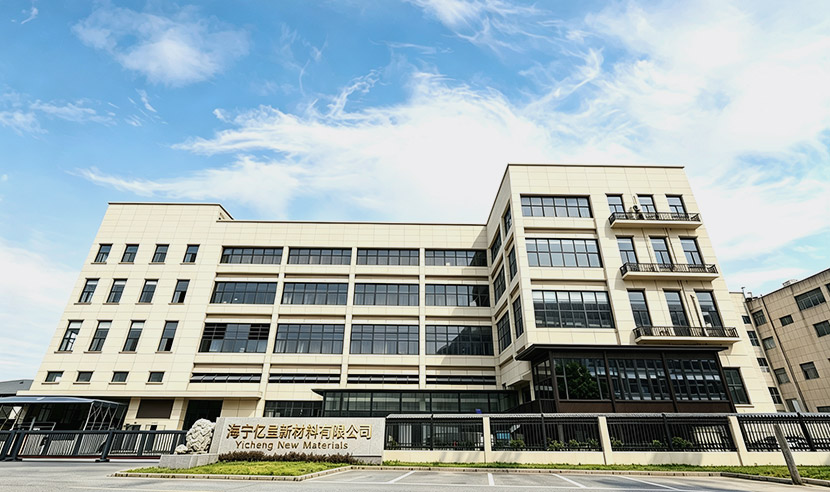
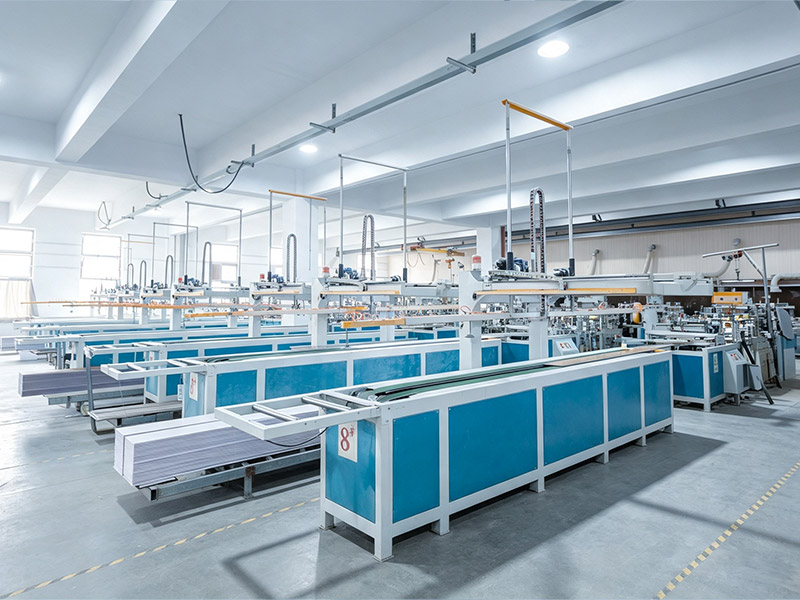
For B2B procurement, PVC ceiling flat panels need to be evaluated not only by their appearance but also by specification consistency, production requirements, packaging arrangements, and repeat-order coordination. Manufacturing and supply arrangements can be organized around the selected product configuration.
Material Formulation and Processing
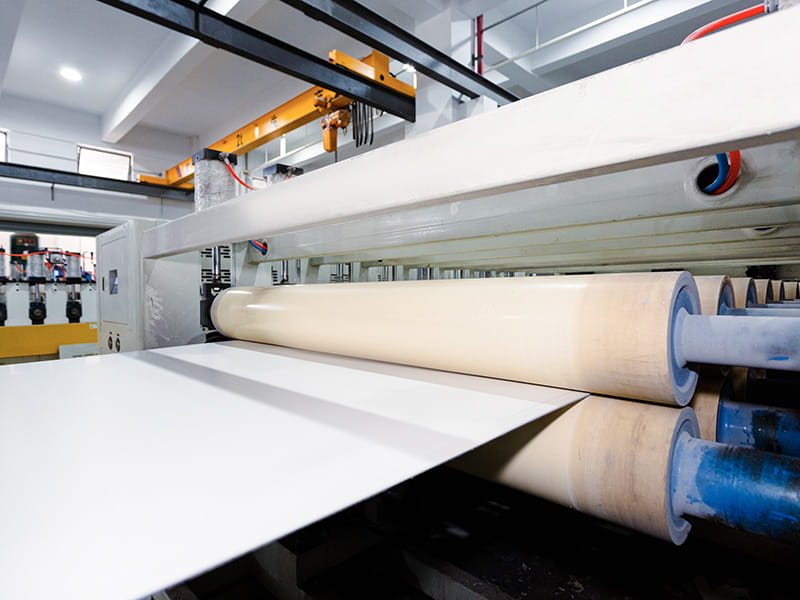
PVC resin and relevant formulation components are processed according to the selected panel design. Material formulation and processing conditions influence panel characteristics, surface appearance, and finished product consistency. Specific formulation options require technical confirmation.
Panel Forming and Surface Treatment
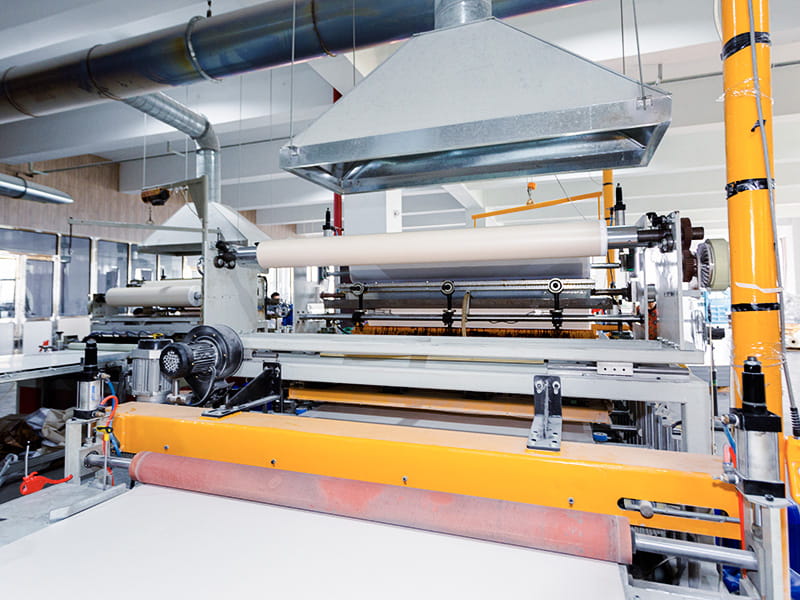
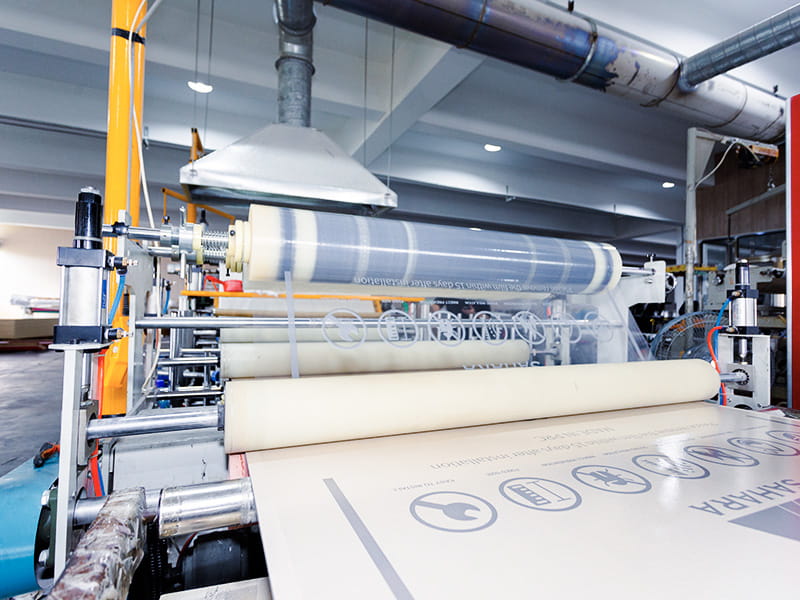
Depending on the product structure, manufacturing may involve PVC extrusion, panel forming, surface finishing, and dimensional cutting. Available surface treatments and production processes should be confirmed for each requested model.
Specification Adjustment
Project requirements can be reviewed in terms of panel dimensions, thickness, decorative patterns, surface appearance, and other available product options. Custom specifications are subject to production feasibility and minimum order requirements.
Production Quality Inspection
Relevant inspection items may include dimensional accuracy, surface appearance, color consistency, panel condition, and packaging condition. Inspection criteria can be established according to the confirmed product specifications and buyer requirements.
Batch Production Coordination
Bulk orders can be arranged according to confirmed specifications, order quantities, material availability, and production scheduling. Maintaining consistent specifications across repeat orders is important for distributors and multi-stage construction projects.
Export Packaging and Delivery
Packaging arrangements can be discussed according to panel dimensions, transportation conditions, destination market requirements, and container loading considerations. Carton specifications, protective materials, labeling, and shipping arrangements should be confirmed before order production.
B2B Buyer Considerations
Panel Dimensions and Installation Compatibility
Importers and project contractors should confirm panel length, width, thickness, fixing arrangements, and compatibility with the planned ceiling framework. Incorrect specifications can increase cutting waste and installation adjustments.
Surface Design and Color Consistency
Distributors and commercial project buyers should confirm the selected color, pattern, and surface finish before bulk production. Sample approval helps reduce differences between purchasing expectations and delivered products.
MOQ and Production Lead Time
Minimum order quantities and production schedules may vary according to panel specifications, surface treatments, and order volume. Buyers should confirm these details when preparing procurement plans and construction schedules.
Quality Inspection and Product Documentation
Before placing a bulk order, buyers should identify the required inspection items, dimensional tolerances, appearance standards, and any applicable technical documentation. Market-specific fire or environmental requirements should be verified separately.
Export Packaging and Repeat Orders
Overseas buyers should evaluate protective packaging, carton labeling, container loading, and transportation risks. For ongoing distribution, retaining approved product specifications and finish references helps coordinate repeat purchases.
Frequently Asked Questions About PVC Ceiling Flat Panels
1. What are PVC ceiling flat panels used for?
PVC ceiling flat panels are used to create decorative interior ceiling surfaces in residential properties, commercial buildings, bathrooms, kitchens, utility areas, and selected renovation projects. Their flat profile provides a uniform ceiling appearance while covering the underlying ceiling framework and installation components.
2. Are PVC ceiling flat panels suitable for bathrooms?
PVC panels are commonly used in bathroom ceilings because PVC has low water absorption compared with many porous ceiling materials. However, buyers should consider ventilation, installation quality, temperature conditions, and the product's specified performance limits. Moisture resistance should not be interpreted as a guarantee against every form of water damage or prolonged condensation.
3. What is the difference between flat PVC ceiling panels and grooved PVC panels?
The main difference is the surface profile. Flat PVC ceiling panels provide a relatively continuous surface with minimal visible grooves, while grooved panels feature recessed lines or divided surface sections. Flat panels are generally selected for simpler visual layouts, whereas grooved designs create a more segmented decorative appearance. Installation compatibility should be checked for both profiles.
4. Can PVC ceiling flat panels be customized?
Customization may cover panel dimensions, thickness, colors, decorative patterns, and available surface finishes. The actual options depend on the manufacturer's production specifications, tooling, material availability, and order quantity. Buyers should provide drawings, reference samples, or detailed specifications when requesting a customized quotation.
5. How should buyers select the correct panel thickness and dimensions?
Panel selection should be based on the ceiling framework, installation span, required appearance, handling conditions, and applicable project specifications. Buyers should confirm the actual panel dimensions and thickness with the supplier and check whether the proposed panel configuration is suitable for the intended installation system.
6. Can samples be evaluated before placing a bulk order?
Sample evaluation is useful for checking surface texture, color, decorative pattern, dimensions, and general panel appearance before mass procurement. Buyers should confirm sample availability with the supplier and retain an approved sample or specification reference for subsequent production and inspection.
7. What quality inspection items should be checked before shipment?
Relevant inspection items include panel length and width, thickness, surface defects, color consistency, edge condition, panel deformation, and packaging integrity. Depending on the project, buyers may also require specific mechanical, fire-performance, or environmental test documentation. Inspection criteria should be agreed upon before production.
8. What affects the production lead time of bulk PVC ceiling panel orders?
Production lead time can depend on order quantity, selected dimensions, material formulation, surface pattern, customization requirements, raw material availability, and current production scheduling. Export packaging and inspection requirements may also affect the overall delivery plan. Buyers should confirm the production and shipping schedule after specifications and order details have been finalized.
 Email: boslonmaterials@gmail.com
 Telephone: (+86)15988398565

 en
 русский
 Français
 Português
 عربى
 Español
 REQUEST A QUOTE
 SEARCH