FAQ & Installation Notes
Q1: Visual differences between PU stone panels and natural stone?
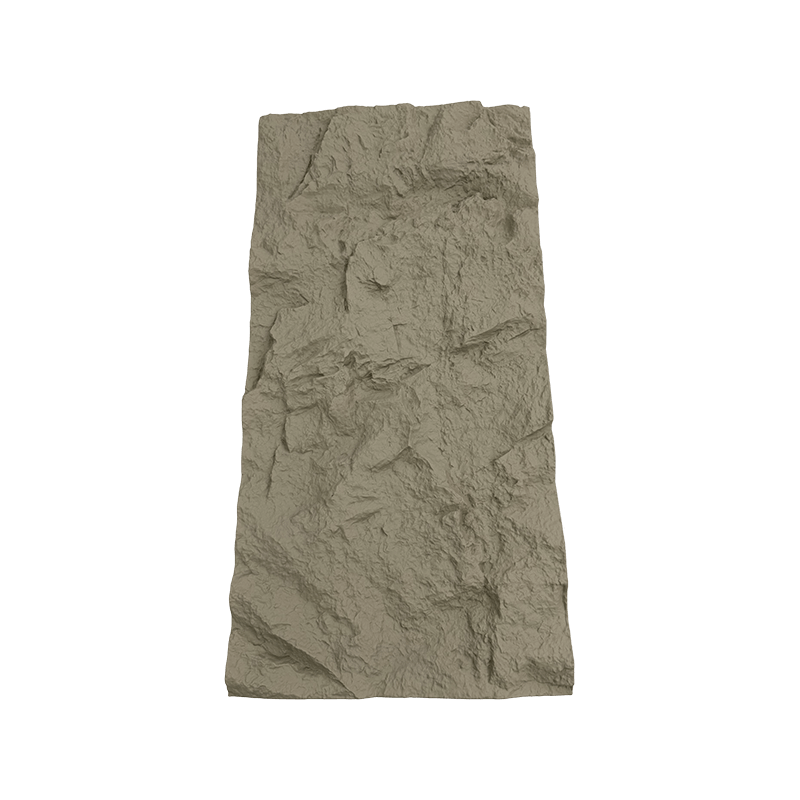
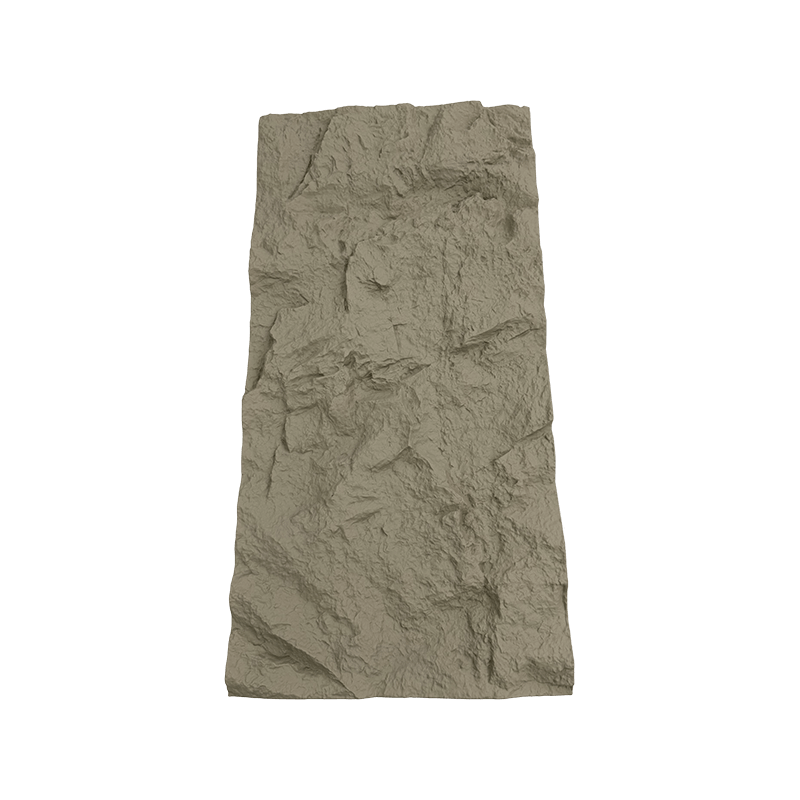
Molds are directly taken from natural stone, accurately reproducing vein depth and transitions. Differences include: natural stone patterns are completely random per piece, while PU products from the same mold have consistent vein orientation (this can be minimized by rotating and staggering panels during installation). Natural polished stone has gloss levels of 70–90 degrees; PU products have matte finish (15–25 degrees), resembling unpolished, cleft-face stone.
Q2: Can this be used in shower areas or within water features?
Suitable for bathroom dry zones and shower walls located at least 1000mm horizontally from shower heads. Not recommended for continuous submersion (e.G., Pool interiors, fountain basins). The surface coating resists mold, but unsealed joints may allow water penetration.
Q3: Outdoor service life and maintenance schedule?
Under standard climatic conditions (non-coastal high-salt, non-industrial acid rain areas), the topcoat provides 5–8 years without significant fading or chalking. Maintenance: annual cleaning with diluted neutral detergent (1:100) and a soft brush, followed by rinsing with clean water. Avoid pressure washers exceeding 5MPa directed at joints.
Q4: Substrate requirements for installation?
Substrate must be flat (≤3mm over 2m straightedge), dry (moisture content ≤8%), free of oil and loose material
Cement substrates require full curing (≥28 days)
Existing tile surfaces require scoring or primer application
Wood substrates: minimum 12mm thickness, free of paint or wax
Drywall over metal studs requires additional 12mm plywood backing
Q5: Installation method and adhesive quantities?
-Surface marking: layout from bottom to top, center outward
Recommended adhesives: PU-specific adhesive, construction adhesive, or two-part epoxy
Spot application: 8–12 adhesive points (20–30mm diameter each) per panel on back perimeter and center
Full spread application: apply using a notched trowel (6mm notch), recommended for uneven substrates
Adhesive consumption per m²: spot method ~0.8–1.2Kg; Full spread ~2.5–3.5Kg
Gently press panels after placement to spread adhesive; Maintain 2–3mm gaps between panels
Joint treatment: use flexible grout (matching or contrasting color); Smooth with damp sponge
Q6: Cutting and drilling methods?
Straight cuts: fine-tooth saw blade (10–14 TPI) or electric jigsaw
Curved cuts: hand coping saw or jigsaw with fine blade
Holes: wood hole saw (speed ≤1000 rpm)
Cut edges require no sealing for interior use; For exterior applications, apply color-matched sealant to cut edges
Q7: Storage and handling guidelines?
Store flat in stacks, with foam or cardboard between layers; Stack height ≤1.0M
Do not store vertically or lean against walls to prevent warping
Store in ventilated, dry areas away from direct sunlight, rain, and ground moisture (elevate at least 100mm)
Carry panels with both hands supporting the long edges; Avoid gripping by corners or dropping
 Email: 87871678@qq.com
 Telephone: (+86)15988398565
 en
en  REQUEST A QUOTE
  SEARCH